Why Is My Water Pressure Low? Causes and Solutions
Low water pressure can indicate plumbing problems. Learn common causes, warning signs, repair options, prevention tips, and when to call a plumber.
Why Is My Water Pressure Low?
Low water pressure is one of the most frustrating plumbing problems homeowners experience. A weak shower stream, slow-filling washing machine, or faucet that barely produces water can make everyday tasks difficult.
Many homeowners assume low water pressure is simply caused by the local water supply, but the issue can often be traced back to problems inside the home's plumbing system.
A sudden drop in water pressure may indicate:
- Hidden plumbing leaks
- Mineral buildup
- Pipe damage
- Faulty pressure regulators
- Clogged fixtures
- Water supply problems
Ignoring low water pressure can sometimes lead to larger plumbing issues, including pipe damage, water waste, and expensive repairs.
Incas Plumbing helps homeowners identify the true cause of low water pressure and provides professional solutions to restore proper plumbing performance.
What Is Low Water Pressure?
Low water pressure means water is not flowing through your plumbing system with enough force to properly operate fixtures and appliances.
Normal household water pressure allows:
- Strong shower flow
- Proper faucet operation
- Efficient appliance performance
- Faster filling of tanks and fixtures
When pressure decreases, homeowners may notice:
- Weak showers
- Slow faucets
- Toilets taking longer to refill
- Washing machines filling slowly
- Reduced outdoor hose pressure
Low water pressure can affect the entire home or only one specific fixture.
Why Does Low Water Pressure Happen?
Several plumbing problems can cause reduced water pressure.
Mineral Buildup From Hard Water
Hard water contains minerals such as calcium and magnesium that can collect inside pipes and fixtures.
Over time, mineral buildup can:
- Restrict water flow
- Reduce pipe capacity
- Block faucet aerators
- Damage plumbing components
Homes with hard water often experience gradual pressure loss.
Hidden Plumbing Leaks
A leaking pipe can reduce the amount of water reaching fixtures.
Hidden leaks may occur:
- Behind walls
- Under floors
- Inside ceilings
- Underground
Warning signs include:
- Unexpected water bills
- Damp areas
- Mold growth
- Water stains
- Sound of running water
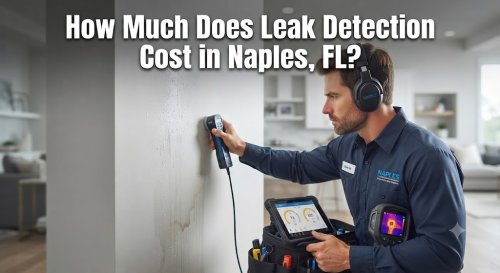
A professional plumber can use leak detection equipment to locate hidden problems.
Clogged Pipes
Debris, rust, and mineral deposits can accumulate inside pipes.
Restricted pipes reduce water flow and may cause:
- Weak showers
- Slow faucets
- Uneven pressure
Older plumbing systems are more likely to experience internal buildup.
Faulty Pressure Regulator
Many homes use a pressure regulator to control incoming water pressure.
A failing regulator can cause:
- Low pressure
- Unstable pressure
- Sudden pressure changes
A plumber can test and adjust or replace the regulator if needed.
Problems With the Main Water Supply Line
The main water line delivers water from the municipal supply to your home.
Problems may include:
- Cracks
- Corrosion
- Underground leaks
- Pipe damage
A damaged main line can affect the entire property.
Closed or Partially Closed Valves
Sometimes low pressure occurs because a shutoff valve is not fully open.
Common valves to check include:
- Main water valve
- Meter valve
- Fixture shutoff valves
Old or Corroded Pipes
Older pipes may develop internal corrosion that restricts water movement.
Common issues include:
- Reduced pipe diameter
- Rust buildup
- Leaks
- Poor water flow
Homes with aging plumbing systems may eventually require pipe repairs or replacement.
Signs You Should Never Ignore
Low water pressure may be a warning sign of a larger plumbing issue.
Sudden Drop in Water Pressure
A sudden pressure change may indicate:
- Pipe leaks
- Valve problems
- Main line issues
A sudden decrease should be investigated quickly.
Low Pressure Throughout the Entire Home
If every faucet and fixture has weak pressure, the problem may involve:
- Main water supply
- Pressure regulator
- Plumbing pipes
Weak Shower Pressure
A weak shower may be caused by:
- Mineral buildup
- Blocked showerhead
- Pipe restrictions
Water Stains or Damp Areas
Moisture on walls, ceilings, or floors may indicate a hidden leak.
Noisy Pipes
Sounds such as:
- Banging
- Whistling
- Hissing
may indicate pressure problems or damaged plumbing components.
Increasing Water Bills
A leak causing pressure loss may also increase water usage.
Common Plumbing Problems Related to Low Water Pressure
Low water pressure may be connected to other plumbing issues.
Pipe Leaks
Damaged pipes reduce available water flow and may cause property damage.
Clogged Plumbing Fixtures
Mineral buildup inside:
- Faucets
- Showerheads
- Valves
can restrict water output.
Water Heater Problems
A failing water heater may cause reduced hot water flow due to sediment buildup or internal issues.
Sewer and Drain Problems
Although drains do not directly control water pressure, major plumbing issues can affect overall system performance.
Corroded Plumbing Pipes
Aging pipes may require repair or replacement to restore proper water flow.
Step-by-Step Professional Water Pressure Diagnosis
A licensed plumber usually follows a detailed inspection process.
Step 1: Inspect the Plumbing System
The plumber checks:
- Fixtures
- Pipes
- Valves
- Water supply connections
Step 2: Test Water Pressure
Professional pressure testing helps determine whether pressure levels are below normal.
Step 3: Identify the Cause
The plumber evaluates possible problems such as:
- Leaks
- Blockages
- Pipe damage
- Regulator failure
Step 4: Recommend Repair Options
Solutions may include:
- Cleaning fixtures
- Repairing leaks
- Replacing damaged components
- Repairing pipes
Step 5: Complete Repairs
The plumber restores proper water flow based on the identified issue.
Step 6: Test the System
Final testing confirms that pressure has returned to normal operation.
Can You Fix Low Water Pressure Yourself?
Some basic checks can be performed safely by homeowners.
You can:
- Clean faucet aerators
- Remove showerhead mineral buildup
- Check that valves are fully open
- Inspect visible pipes for leaks
However, professional help is recommended when:
- Pressure is low throughout the home
- Pipes may be damaged
- Hidden leaks are suspected
- The issue keeps returning
Avoid attempting major pipe repairs without proper experience because mistakes can increase damage.
Tools Professionals Use for Water Pressure Problems
Water Pressure Gauge
Measures actual pressure levels in the plumbing system.
Leak Detection Equipment
Helps locate hidden leaks without unnecessary damage.
Pipe Inspection Cameras
Allows plumbers to inspect pipe interiors.
Pressure Testing Equipment
Identifies pressure loss and system problems.
Water Quality Testing Tools
Helps determine whether mineral buildup may be affecting plumbing performance.
How Long Does Low Water Pressure Repair Take?
Repair time depends on the cause.
Simple Repairs
Examples:
- Cleaning fixtures
- Replacing aerators
- Adjusting valves
These repairs may be completed quickly.
Moderate Repairs
Examples:
- Pressure regulator replacement
- Leak repairs
- Pipe cleaning
These may require additional time.
Major Repairs
Examples:
- Main water line replacement
- Extensive pipe repairs
These projects may take longer due to complexity.
Factors affecting repair time include:
- Location of the problem
- Accessibility
- Required materials
- Damage severity
Cost Factors for Low Water Pressure Repair
Low water pressure repair costs vary depending on the cause and repair method.
Factors include:
Type of Problem
A clogged fixture repair differs from replacing damaged pipes.
Accessibility
Hidden pipes may require additional labor.
Materials Required
Pipe type and replacement components affect costs.
Diagnostic Services
Leak detection and inspections may add to overall service costs.
Repair vs Replacement
Some older plumbing systems may require replacement instead of repair.
Plumbing repair costs vary depending on the severity of the problem, accessibility, materials required, emergency service, property type, and local labor rates.
A professional plumber can provide an accurate estimate after inspecting the system.
Hidden Truths Homeowners Should Know About Low Water Pressure
- Low pressure is often a symptom, not the actual problem.
- Hidden leaks can reduce water pressure.
- Hard water slowly damages plumbing systems.
- Old pipes may restrict water flow.
- Temporary fixes may not solve the root cause.
- Ignoring pressure problems can lead to bigger repairs.
- Water pressure issues can increase utility costs.
- Professional diagnosis prevents unnecessary replacements.
- Regular maintenance improves plumbing performance.
- Early repairs usually cost less than emergency repairs.
15 Common Mistakes Homeowners Make
1. Ignoring Low Pressure
Small issues can become major plumbing problems.
2. Cleaning Only Fixtures
The problem may exist deeper in the system.
3. Using Harsh Chemicals
Chemicals may damage plumbing components.
4. Ignoring Water Leaks
Leaks waste water and reduce pressure.
5. Skipping Plumbing Inspections
Hidden issues remain undetected.
6. Adjusting Pressure Without Testing
Incorrect adjustments can damage plumbing.
7. Ignoring Hard Water Effects
Mineral buildup affects water flow.
8. Waiting for Complete Failure
Early repairs prevent expensive damage.
9. Attempting Complex DIY Repairs
Incorrect repairs may worsen the problem.
10. Ignoring Old Pipes
Aging pipes require attention.
11. Not Checking Valves
Partially closed valves can restrict flow.
12. Overlooking Water Bills
Higher bills may indicate leaks.
13. Choosing Temporary Solutions
Root causes require proper repairs.
14. Avoiding Professional Help
Complex problems need expert diagnosis.
15. Skipping Maintenance
Routine care protects plumbing systems.
Maintenance Tips to Prevent Low Water Pressure
- Check plumbing fixtures regularly
- Clean faucet aerators
- Remove showerhead buildup
- Monitor water bills
- Inspect visible pipes
- Repair leaks quickly
- Maintain water heaters
- Test water pressure periodically
- Schedule plumbing inspections
- Address hard water issues
- Avoid damaging drain chemicals
- Replace aging fixtures
- Monitor unusual plumbing sounds
- Check shutoff valves
- Maintain outdoor plumbing systems
When Should You Call an Emergency Plumber?
Call a professional plumber immediately if low water pressure is caused by:
- Burst pipes
- Major water leaks
- Sudden loss of water
- Flooding
- Main water line damage
- Water leaking near electrical systems
Quick action can help prevent serious property damage.
People Also Ask
Why is my water pressure suddenly low?
A sudden pressure drop may be caused by leaks, valve problems, pipe damage, or supply issues.
How do I increase water pressure in my house?
The correct solution depends on the cause, such as cleaning fixtures, repairing leaks, or replacing damaged components.
Can a clogged pipe cause low water pressure?
Yes. Mineral buildup and debris can restrict water flow.
Why is only one faucet low pressure?
A single fixture problem is often caused by a clogged aerator or fixture issue.
Can hard water reduce water pressure?
Yes. Mineral buildup can restrict pipes and fixtures.
How do plumbers test water pressure?
Plumbers use pressure gauges and diagnostic equipment.
Can a water leak cause low pressure?
Yes. Significant leaks can reduce available water flow.
Should I replace old pipes for low pressure?
Replacement may be needed if pipes are severely corroded or damaged.
How often should plumbing systems be inspected?
Inspection frequency depends on pipe age, condition, and previous problems.
Is low water pressure an emergency?
It can be if caused by a major leak, burst pipe, or main water line failure.
Why Choose Incas Plumbing?
Low water pressure requires accurate diagnosis rather than temporary solutions.
Incas Plumbing helps homeowners identify the real cause of pressure problems with:
- Professional plumbing inspections
- Experienced technicians
- Honest recommendations
- Quality repair solutions
- Modern diagnostic equipment
- Customer-focused service
Whether you need leak detection, pipe repair, fixture service, or plumbing maintenance, professional help can restore your home's water performance.