Why Are My Pipes Making Banging or Knocking Sounds?
Noisy pipes are often a warning sign of plumbing issues such as water hammer, high pressure, loose pipes, mineral buildup, or valve problems. Learn what causes pipe noises, how plumbers diagnose the issue, repair options, prevention tips, and when professional help is needed.
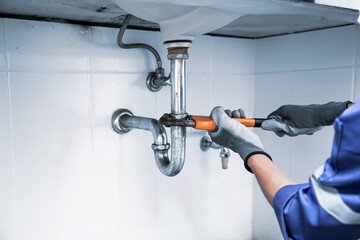
Why Are My Pipes Making Banging, Knocking or Whistling Sounds?
Most homeowners expect their plumbing system to operate quietly in the background. When you suddenly hear banging, knocking, whistling, or vibrating sounds coming from your pipes, it can be concerning.
While some pipe noises are harmless, unusual or persistent sounds may indicate a plumbing problem that should not be ignored.
Noisy pipes can be caused by several issues, including sudden changes in water pressure, loose pipe connections, trapped air, mineral buildup, faulty valves, or aging plumbing components.
Understanding why your pipes are making banging, knocking, or whistling sounds can help you identify the problem early and prevent costly repairs.
Incas Plumbing provides professional plumbing inspections, pressure testing, pipe repairs, and troubleshooting services to help homeowners maintain safe and reliable plumbing systems.
What Do Banging, Knocking, and Whistling Pipe Sounds Mean?
Different plumbing noises often point to different causes.
Banging Sounds
Banging pipes are commonly associated with sudden water movement inside plumbing lines.
This is often called water hammer, which happens when flowing water suddenly stops or changes direction.
Knocking Sounds
Knocking may indicate:
- Loose pipes
- Thermal expansion
- Pressure problems
- Pipe movement
Whistling Sounds
Whistling noises are often related to:
- Restricted water flow
- Faulty valves
- Mineral buildup
- Fixture problems
Identifying the exact sound can help determine the right repair approach.
Why Do Pipes Make Banging Sounds?
Several plumbing issues can cause loud banging noises.
Water Hammer
Water hammer is one of the most common causes of banging pipes.
It occurs when:
- A faucet closes quickly
- A washing machine valve shuts suddenly
- A dishwasher stops filling
The fast-moving water creates pressure that causes pipes to move and create a loud banging sound.
Common Signs of Water Hammer
- Loud bang after turning off water
- Pipes shaking
- Noise coming from walls or ceilings
- Sound occurs near appliances
Loose Pipes
Pipes are normally secured with brackets and supports.
Over time, supports may loosen due to:
- Building movement
- Aging hardware
- Poor installation
- Temperature changes
When water flows through loose pipes, they may move and hit surrounding surfaces.
High Water Pressure
Excessive water pressure can place stress on plumbing components.
High pressure may cause:
- Banging pipes
- Leaking fixtures
- Damaged valves
- Shortened pipe lifespan
A pressure test can determine whether water pressure is outside a safe range.
Thermal Expansion
Hot water causes pipes to expand.
When heated pipes expand and contract, they may create:
- Knocking sounds
- Ticking sounds
- Popping noises
This is common near:
- Water heaters
- Hot water supply lines
Why Do Pipes Make Knocking Sounds?
Knocking sounds may have several causes.
Pipe Movement
When water flows through pipes, the force can cause movement if pipes are not properly secured.
The pipes may knock against:
- Wooden framing
- Drywall
- Other plumbing components
Water Pressure Changes
Sudden pressure changes can create movement inside plumbing lines.
Possible causes include:
- Faulty pressure regulators
- Municipal supply changes
- Valve problems
Mineral Buildup Inside Pipes
Hard water minerals can accumulate inside plumbing systems.
This buildup can:
- Restrict water flow
- Increase pressure
- Create unusual noises
Homes with hard water may experience more frequent plumbing noise issues.
Aging Plumbing Materials
Older pipes may become noisier due to:
- Corrosion
- Reduced flexibility
- Loose connections
- Internal buildup
Older plumbing systems often require closer monitoring.
Why Are My Pipes Whistling?
Whistling sounds usually indicate restricted water flow.
Partially Closed Valves
A valve that is not completely open can create turbulence and noise.
Check:
- Sink shutoff valves
- Toilet supply valves
- Main water valve
Faulty Faucet Components
A damaged faucet cartridge or washer can create whistling.
Common signs include:
- Noise from one fixture
- Reduced water flow
- Changing sound when adjusting temperature
Mineral Deposits
Hard water deposits can narrow openings inside:
- Faucets
- Showerheads
- Valves
- Pipes
Restricted water movement may create a whistling sound.
Pressure Regulator Problems
A failing pressure regulator may create:
- Whistling
- Fluctuating pressure
- Unusual pipe noises
Professional testing can determine if replacement is needed.
Signs You Should Never Ignore
Some pipe noises require professional attention.
Sudden Loud Banging
A sudden increase in noise may indicate pressure problems or loose plumbing components.
Pipe Vibrations
Shaking pipes may damage connections over time.
Water Leaks
Noise combined with moisture may indicate a plumbing leak.
Low Water Pressure
Reduced flow with unusual sounds may indicate restrictions or pipe problems.
Increased Water Bills
Unexpected water usage may suggest hidden leaks.
Rusty or Discolored Water
This may indicate corrosion or pipe deterioration.
Common Plumbing Problems Related to Noisy Pipes
Noisy pipes can be connected to other plumbing issues.
Water Pressure Problems
Incorrect pressure levels can damage plumbing components.
Pipe Leaks
Loose connections and damaged pipes may create sounds before visible leaks appear.
Water Heater Problems
Sediment buildup inside a water heater can cause popping and knocking sounds.
Valve Problems
Faulty valves can restrict water movement and create noise.
Pipe Corrosion
Aging pipes may become noisy as they deteriorate.
Step-by-Step Professional Diagnosis Process
A plumber typically follows these steps to identify the cause.
Step 1: Listen and Locate the Noise
The plumber determines:
- Where the sound originates
- When it happens
- Which fixtures are affected
Step 2: Check Water Pressure
Pressure testing helps identify:
- Excessive pressure
- Pressure fluctuations
- Regulator issues
Step 3: Inspect Pipes and Connections
The plumber checks:
- Pipe supports
- Valves
- Connections
- Visible damage
Step 4: Examine Fixtures and Appliances
Common areas checked include:
- Faucets
- Toilets
- Washing machines
- Dishwashers
- Water heaters
Step 5: Recommend Repairs
Solutions depend on the cause and may include:
- Securing pipes
- Adjusting pressure
- Replacing valves
- Cleaning fixtures
- Repairing damaged plumbing
Step 6: Test the Plumbing System
After repairs, the plumber verifies:
- Proper water flow
- Reduced noise
- Safe pressure levels
Can You Fix Noisy Pipes Yourself?
Some minor issues may be handled by homeowners.
Safe DIY Steps
You can:
- Check if fixture valves are fully open
- Clean faucet aerators
- Tighten accessible loose supports
- Secure exposed pipes carefully
When DIY Is Not Recommended
Call a professional plumber if:
- Pipes are inside walls
- You hear loud banging frequently
- Water pressure is abnormal
- You suspect leaks
- Pipes are vibrating strongly
Incorrect repairs can damage plumbing systems.
Tools Professionals Use for Noisy Pipe Problems
Pressure Testing Equipment
Measures water pressure accurately.
Pipe Inspection Cameras
Help inspect difficult-to-access plumbing areas.
Leak Detection Equipment
Identifies hidden water leaks.
Thermal Detection Tools
May help locate moisture behind walls.
Pipe Support Equipment
Used to secure and stabilize plumbing lines.
How Long Does Pipe Noise Repair Take?
Repair time depends on the cause.
Simple Repairs
Examples:
- Cleaning fixtures
- Adjusting valves
- Securing accessible pipes
These may require minimal time.
Moderate Repairs
Examples:
- Replacing pressure regulators
- Repairing valves
- Fixing pipe supports
These require more work.
Major Repairs
Examples:
- Replacing damaged pipes
- Repairing hidden leaks
- Updating older plumbing systems
These projects may take longer.
Cost Factors for Fixing Noisy Pipes
Plumbing repair costs vary depending on:
- Cause of the noise
- Location of pipes
- Accessibility
- Required replacement parts
- Labor requirements
- Diagnostic testing
- Emergency service needs
Common cost factors include:
Pipe Accessibility
Pipes inside walls or ceilings may require additional work.
Type of Repair
A loose bracket repair differs from replacing damaged plumbing.
Equipment Required
Specialized tools may increase repair complexity.
System Condition
Older plumbing systems may require additional repairs.
Plumbing repair costs vary depending on the severity of the problem, accessibility, materials required, emergency service, property type, and local labor rates.
A professional inspection provides the most accurate repair estimate.
Hidden Truths Homeowners Should Know About Noisy Pipes
- Noisy pipes are not always harmless.
- Small pressure issues can damage plumbing over time.
- Water hammer can stress pipe connections.
- Hard water can contribute to restrictions.
- Hidden leaks may create unusual sounds.
- Ignoring pipe noises may lead to larger repairs.
- Older plumbing systems need regular inspections.
- Cheap temporary fixes may not solve the cause.
- Proper diagnosis prevents unnecessary repairs.
- Maintenance improves plumbing reliability.
15 Common Mistakes Homeowners Make With Noisy Pipes
1. Ignoring New Pipe Sounds
New noises may indicate developing problems.
2. Assuming All Noise Is Normal
Persistent sounds deserve attention.
3. Ignoring High Water Pressure
Excess pressure damages plumbing.
4. Using Incorrect Repair Methods
Wrong fixes can worsen issues.
5. Covering Sounds Instead of Finding Causes
The underlying problem should be addressed.
6. Skipping Plumbing Maintenance
Regular checks prevent failures.
7. Ignoring Water Leaks
Leaks often become more expensive.
8. Delaying Professional Inspection
Small problems can become major repairs.
9. Over-Tightening Fixtures
Excess force damages components.
10. Using Wrong Replacement Parts
Compatibility matters.
11. Ignoring Hard Water Effects
Mineral buildup affects plumbing performance.
12. Blocking Pipe Access
Accessible plumbing is easier to maintain.
13. Ignoring Water Heater Noises
Tank noises may indicate sediment buildup.
14. Attempting Complex Pipe Repairs
Professional tools are often required.
15. Choosing Unqualified Repair Services
Experience matters for plumbing safety.
Maintenance Tips to Prevent Noisy Pipes
- Monitor changes in plumbing sounds.
- Check water pressure regularly.
- Clean faucet aerators.
- Remove showerhead mineral buildup.
- Maintain water heaters.
- Inspect exposed pipes.
- Repair leaks quickly.
- Keep valves working properly.
- Schedule plumbing inspections.
- Address pressure problems early.
- Protect pipes during freezing weather.
- Secure loose exposed plumbing.
- Monitor older plumbing systems.
- Avoid damaging chemicals.
- Maintain proper water flow.
When Should You Call an Emergency Plumber?
Seek emergency plumbing help if pipe noises are accompanied by:
- Burst pipes
- Major leaks
- Flooding
- Sudden loss of water
- Strong pipe vibrations
- Water damage
- Gas-related concerns
Immediate professional attention can prevent serious property damage.
People Also Ask
Why are my pipes banging when I turn off the water?
This is often caused by water hammer, where fast-moving water suddenly stops and creates pressure shock.
Are noisy pipes dangerous?
Some noises are harmless, but persistent sounds may indicate pressure problems, leaks, or damaged components.
How do I stop my pipes from knocking?
Solutions may include securing pipes, adjusting pressure, or repairing faulty valves.
Why do my pipes whistle when water runs?
Whistling is often caused by restricted flow from mineral buildup, valves, or fixture problems.
Can high water pressure damage pipes?
Yes. Excess pressure can stress plumbing connections and fixtures.
Why do pipes make noise at night?
Nighttime noises may become noticeable because the home is quieter and water pressure changes may be easier to hear.
Can hard water cause noisy pipes?
Yes. Mineral deposits can restrict flow and contribute to plumbing noises.
Should I replace old pipes if they are noisy?
Replacement depends on pipe condition, age, and the cause of the noise.
How can a plumber find noisy pipe problems?
Plumbers use inspection, pressure testing, and system evaluation to identify the cause.
When should I call a plumber for noisy pipes?
Call a plumber when noises are persistent, worsening, or combined with leaks or pressure changes.
Why Choose Incas Plumbing?
Noisy pipes can have many causes, and the correct solution depends on accurate diagnosis.
Incas Plumbing provides:
- Professional plumbing inspections
- Water pressure testing
- Pipe repair solutions
- Leak detection services
- Honest recommendations
- Quality workmanship
Whether your pipes are banging, knocking, or whistling, professional evaluation can help protect your plumbing system.
Contact Incas Plumbing Today
Do not ignore unusual plumbing noises.
If your pipes are making banging, knocking, or whistling sounds, contact Incas Plumbing for professional inspection and repair services.
Call 844-833-2093 today to schedule an appointment or request an estimate.