Signs of a Broken Water Pipe Underground & Solutions
A broken underground water pipe can waste water, damage your property, and increase utility bills. Learn the warning signs, causes, professional detection methods, repair options, prevention tips, and when emergency plumbing help is needed.
How Do You Know If You Have a Broken Water Pipe Underground?
A broken water pipe underground is one of the most difficult plumbing problems for homeowners to identify because the damage is hidden beneath soil, concrete, driveways, or landscaping.
Unlike a visible pipe leak under a sink, an underground water line break may continue leaking for days or weeks before obvious signs appear. The longer the problem goes unnoticed, the greater the risk of wasted water, property damage, foundation issues, and expensive repairs.
Many homeowners discover an underground pipe problem after noticing an unusually high water bill, wet spots in the yard, low water pressure, or unexplained water sounds.
Understanding the signs of a broken water pipe underground can help you take action before the damage becomes severe.
Incas Plumbing provides professional leak detection, water line repair, and plumbing solutions to help homeowners identify and repair hidden underground pipe problems.
What Is a Broken Water Pipe Underground?
A broken underground water pipe occurs when a buried water supply line develops damage that allows water to escape before reaching your home's plumbing fixtures.
These pipes are responsible for delivering water from:
- Municipal water supply lines
- Private wells
- Main water connections
to your home's:
- Faucets
- Toilets
- Showers
- Appliances
- Water heaters
When an underground pipe breaks, water may leak into surrounding soil instead of entering your home.
Why Do Underground Water Pipes Break?
Several factors can damage underground water lines.
Aging Pipes
Older underground pipes become weaker over time due to:
- Corrosion
- Material deterioration
- Joint failure
- Internal damage
Aging plumbing systems are more likely to develop leaks.
Corrosion
Metal pipes can corrode due to:
- Soil conditions
- Water chemistry
- Age
- Mineral exposure
Corrosion weakens pipe walls and increases the chance of leaks.
Freezing Temperatures
Cold weather can cause water inside pipes to freeze and expand.
This pressure may lead to:
- Cracks
- Pipe breaks
- Split water lines
Homes in colder climates require proper pipe protection.
High Water Pressure
Excessive water pressure places stress on underground plumbing.
Over time, high pressure can cause:
- Cracks
- Joint failures
- Pipe deterioration
Tree Root Damage
Tree roots can interfere with underground plumbing.
Although roots are more commonly associated with sewer lines, they can also damage water supply pipes by:
- Shifting soil
- Creating pressure around pipes
- Affecting pipe connections
Poor Installation
Incorrect installation can create long-term problems.
Examples include:
- Improper pipe materials
- Poor connections
- Incorrect depth
- Weak fittings
Ground Movement
Changes in soil conditions can damage underground pipes.
Causes may include:
- Soil shifting
- Construction activity
- Erosion
- Natural ground movement
Signs You May Have a Broken Water Pipe Underground
Several warning signs indicate a possible underground water leak.
Unexpected Increase in Water Bills
A sudden increase in water usage is one of the most common signs of a hidden leak.
If your water habits have not changed but your bill increases significantly, an underground pipe leak may be responsible.
Wet or Soggy Areas in Your Yard
A leaking underground water pipe may create:
- Wet patches
- Muddy areas
- Unusual plant growth
- Standing water
These areas may appear even when there has been no recent rainfall.
Low Water Pressure Throughout the Home
A damaged main water line may reduce water pressure.
Signs include:
- Weak shower flow
- Slow-filling toilets
- Reduced faucet pressure
Sounds of Running Water
If you hear water running when all fixtures are turned off, there may be a hidden leak.
Possible sounds include:
- Hissing
- Flowing water
- Whistling
Cracks in Driveways or Foundations
Large underground leaks can affect soil stability.
Possible signs include:
- Cracks
- Soil movement
- Sinkholes
- Foundation moisture
Water Pooling Near the Home
Unexpected water near:
- Foundation walls
- Driveways
- Sidewalks
may indicate a damaged underground line.
Discolored Water
A damaged water line may allow:
- Dirt
- Sediment
- Rust particles
to enter the water supply.
Mold or Moisture Problems
Hidden leaks can increase moisture levels around:
- Basements
- Crawl spaces
- Foundation areas
Signs You Should Never Ignore
Some underground pipe warning signs require quick attention.
Sudden Loss of Water Pressure
A major water line break may reduce water flow immediately.
Water Around the Foundation
Water near the foundation can create structural concerns.
Continuous Water Meter Movement
If the meter continues running while no water is being used, a leak may exist.
Flooding or Large Wet Areas
Significant water accumulation requires immediate inspection.
Common Problems Related to Underground Water Pipe Damage
A broken underground pipe can lead to additional problems.
Foundation Damage
Constant moisture near foundations may affect structural stability.
Soil Erosion
Leaking water can wash away soil supporting:
- Walkways
- Driveways
- Landscaping
Water Waste
Underground leaks can waste thousands of gallons of water.
Plumbing System Damage
Reduced pressure and inconsistent water flow can affect fixtures and appliances.
Step-by-Step Professional Underground Leak Detection Process
Professional plumbers use a detailed process to locate underground pipe problems.
Step 1: Review Symptoms
The plumber discusses:
- Water bill changes
- Pressure issues
- Visible signs
- Leak history
Step 2: Perform Water Pressure Testing
Pressure testing helps determine whether the water system is losing pressure.
Step 3: Check the Water Meter
A plumber may evaluate meter activity to identify continuous water loss.
Step 4: Use Leak Detection Equipment
Professional equipment can help locate hidden leaks without unnecessary digging.
Step 5: Identify the Exact Location
Accurate locating helps reduce excavation and repair time.
Step 6: Recommend Repair Options
Solutions may include:
- Spot repair
- Water line replacement
- Trenchless repair methods
Step 7: Test the System
After repairs, the plumber checks:
- Water pressure
- Flow
- Connections
- Leak prevention
Can You Find an Underground Water Leak Yourself?
Homeowners can look for warning signs, but locating underground leaks usually requires professional equipment.
Safe Things You Can Do
You can:
- Check your water meter
- Monitor water bills
- Inspect your yard
- Listen for unusual sounds
- Check water pressure changes
When Professional Help Is Necessary
Call a plumber if:
- You suspect a main water line leak
- The yard has unexplained wet areas
- Water pressure drops suddenly
- The water meter moves when water is off
Underground pipe repairs require specialized knowledge and equipment.
Tools Professionals Use for Underground Pipe Problems
Electronic Leak Detection Equipment
Helps identify hidden water leaks.
Acoustic Listening Devices
Detect sounds created by escaping water.
Pipe Locating Equipment
Helps identify underground pipe locations.
Pressure Testing Equipment
Measures system performance.
Inspection Technology
Allows plumbers to evaluate plumbing conditions accurately.
How Long Does Underground Water Pipe Repair Take?
Repair time depends on:
- Leak location
- Pipe accessibility
- Damage severity
- Repair method
Minor Underground Pipe Repairs
Small accessible leaks may require less time.
Major Water Line Repairs
Complete replacement or difficult access areas require more planning and labor.
Emergency Repairs
Major breaks causing flooding may require immediate action.
Cost Factors for Underground Water Pipe Repair
Underground water pipe repair costs vary depending on several factors.
Important factors include:
- Location of the damaged pipe
- Depth of excavation
- Pipe material
- Repair method
- Labor requirements
- Equipment needed
- Landscaping or surface restoration
Costs may also vary depending on whether the repair involves a small section or full water line replacement.
Plumbing repair costs vary depending on the severity of the problem, accessibility, materials required, emergency service, property type, and local labor rates.
A professional inspection is necessary for an accurate estimate.
Hidden Truths Homeowners Should Know About Underground Pipe Leaks
- Underground leaks often waste water before visible damage appears.
- A small leak can become a major water line failure.
- High water bills may be the first warning sign.
- Digging without proper diagnosis can create unnecessary damage.
- Older water lines require closer monitoring.
- Temporary solutions may not fix damaged underground pipes.
- Foundation moisture should never be ignored.
- Professional detection reduces unnecessary excavation.
- Regular plumbing inspections can identify risks early.
- Preventive maintenance protects your property.
15 Common Mistakes Homeowners Make With Underground Water Leaks
1. Ignoring Higher Water Bills
Increased usage may indicate hidden leaks.
2. Waiting for Visible Damage
Leaks can cause damage before appearing.
3. Digging Without Professional Guidance
Incorrect digging can damage other utilities.
4. Ignoring Low Water Pressure
Pressure changes may indicate pipe problems.
5. Assuming Wet Spots Are Normal
Unusual moisture requires investigation.
6. Delaying Repairs
Small leaks can become major failures.
7. Using Temporary Fixes
Underground damage requires proper repair.
8. Ignoring Aging Water Lines
Older pipes need evaluation.
9. Skipping Leak Inspections
Early detection prevents damage.
10. Planting Trees Near Water Lines
Roots can affect underground plumbing.
11. Ignoring Foundation Moisture
Water near foundations can be serious.
12. Choosing Unqualified Repair Services
Underground repairs require experience.
13. Replacing Parts Without Diagnosis
Correct identification saves money.
14. Ignoring Water Waste
Leaks increase utility costs.
15. Waiting Until Emergency Failure
Planned repairs are usually less disruptive.
Maintenance Tips to Prevent Underground Water Pipe Problems
- Monitor monthly water bills.
- Check for unexplained wet areas.
- Maintain proper water pressure.
- Schedule plumbing inspections.
- Protect pipes from freezing temperatures.
- Repair leaks quickly.
- Know your main water shutoff location.
- Monitor older plumbing systems.
- Avoid damaging landscaping near pipes.
- Inspect foundation areas.
- Check water meter activity.
- Maintain proper drainage around your property.
- Address pressure changes early.
- Replace aging pipes when necessary.
- Schedule professional leak detection when needed.
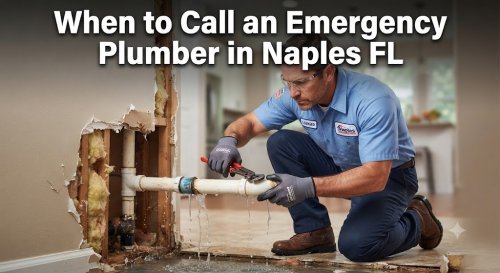
When Should You Call an Emergency Plumber?
Call an emergency plumber if you notice:
- A major underground water leak
- Flooding
- Sudden loss of water pressure
- Water pooling near the foundation
- A broken main water line
- Significant property damage
Quick action can prevent expensive repairs.
People Also Ask
How do I know if my underground water pipe is broken?
Signs include high water bills, wet spots, low pressure, running water sounds, and foundation moisture.
Can an underground water leak increase my water bill?
Yes. Hidden leaks can waste significant amounts of water.
How do plumbers find underground water leaks?
Plumbers use pressure testing, acoustic detection, and specialized leak locating equipment.
Can underground water pipes be repaired without digging?
Some situations may allow trenchless repair methods, depending on pipe condition.
What causes underground water pipes to break?
Common causes include aging, corrosion, freezing, high pressure, and ground movement.
Is a broken water line an emergency?
A major break causing flooding or loss of water may require emergency service.
How long do underground water pipes last?
Lifespan depends on pipe material, soil conditions, installation quality, and maintenance.
Why is my yard wet when it has not rained?
A leaking underground pipe may be causing excess moisture.
Can low water pressure indicate a broken pipe?
Yes. A damaged water line may reduce available pressure.
Should I replace an old underground water line?
Replacement depends on pipe condition, age, damage frequency, and repair costs.
Why Choose Incas Plumbing?
Underground water pipe problems require accurate detection and professional repair methods.
Incas Plumbing provides:
- Professional leak detection
- Water line inspections
- Underground pipe repair solutions
- Experienced plumbing service
- Honest recommendations
- Quality workmanship
Whether you suspect a hidden leak, damaged water line, or unexplained water loss, professional inspection can help protect your home.
Contact Incas Plumbing Today
Do not ignore signs of a possible underground water pipe leak.
Contact Incas Plumbing for professional leak detection and water line repair services.
Call 844-833-2093 today to schedule an inspection or request an estimate.