Why Is My Water Heater Not Producing Hot Water?
Discover why your water heater runs out of hot water fast. Learn causes, warning signs, and expert repair tips from Incas Plumbing in Naples, FL.
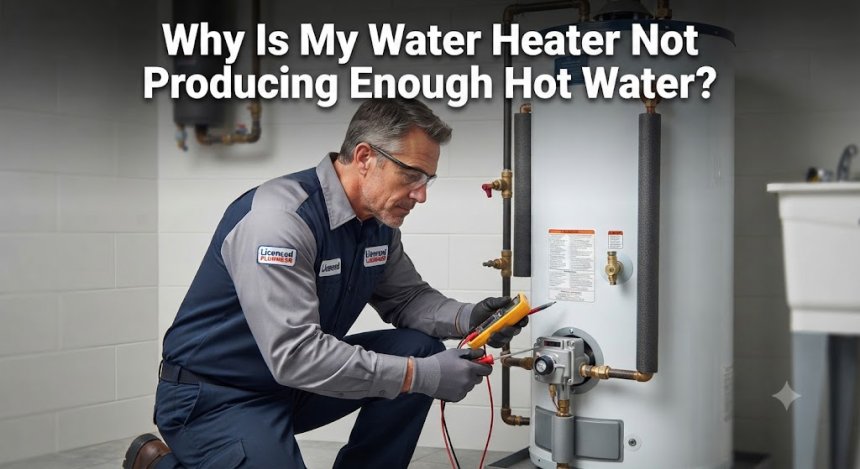
Why Is My Water Heater Not Producing Enough Hot Water?
Stepping into the shower expecting a soothing, warm stream, only to be struck by an icy shock is one of the most frustrating ways to start your day. For homeowners and business owners across Naples, Florida, a steady and reliable supply of hot water is essential for daily comfort, effective sanitation, and the smooth operation of major appliances. When your water heater begins to fall short—leaving your dishes greasy, laundry unwashed, and family members shivering—it causes an immediate disruption to your routine.
Understanding why your water heater fails to maintain adequate temperatures helps you catch minor component failures early, protect your equipment from premature breakdown, and know when to call a licensed professional. At Incas Plumbing, stationed right on Dale Ave in Naples, we troubleshoot and resolve these exact dilemmas daily across Collier County and neighboring communities like Bonita Springs, Marco Island, and Golden Gate. This comprehensive guide explores the mechanics of water heater failures, critical warning signs, professional repair protocols, and actionable maintenance advice.
What Is a Hot Water Shortage?
A hot water shortage occurs when your property's water heating equipment fails to generate, store, or deliver water at the target temperature, causing your hot water supply lines to run cold prematurely.
Definition and Common Situations
Whether your property uses a traditional storage-tank water heater or a modern tankless unit, a shortage means that the thermal output no longer matches your actual usage. Common situations include running out of hot water halfway through a single shower, experiencing lukewarm water across multiple bathrooms simultaneously, or finding that dishwashers and washing machines struggle to complete sanitize cycles.
Symptoms and Examples
For example, if a household of four previously enjoyed back-to-back showers without issue, but now the second person experiences freezing water after just five minutes, your water heater is losing its operational capacity. Similarly, if your tankless unit fluctuates wildly between hot and lukewarm streams during use, it signals a restrictive internal flow or a sensor malfunction.
Why Does This Plumbing Problem Happen?
Water heaters operate continuously behind the scenes under demanding environmental conditions, but several mechanical and structural factors can compromise their heating efficiency.
Common Causes of Water Heater Shortages
-
Hard Water Mineral Buildup: Naples features notoriously hard water containing high concentrations of calcium and magnesium. Over time, these minerals settle at the bottom of traditional tanks, creating a thick insulating barrier that blocks heat transfer from burners or lower elements.
-
Broken or Corroded Dip Tube: The dip tube directs incoming cold water straight to the bottom of the tank to be heated. If this plastic tube cracks or breaks off near the top, incoming cold water mixes instantly with your hot supply, cooling your water right at the outlet.
-
Failed Heating Elements or Thermostats: Electric water heaters rely on upper and lower elements and thermostats. If a lower element burns out, only the top layer of water gets heated.
-
Gas Control Valve and Burner Issues: Gas water heaters can suffer from faulty thermocouples, pilot light failures, or dirty burners that severely restrict heating output.
-
Undersized Systems: If your household has added family members, upgraded to a large garden tub, or runs multiple high-demand appliances at once, an older or smaller unit simply cannot keep pace.
-
Aging Infrastructure: Traditional water heaters naturally decline in efficiency as they approach the 8-to-12-year mark due to internal component fatigue.
Signs You Should Never Ignore
Your water heater rarely fails without giving subtle warnings beforehand. Catching these early indicators prevents sudden, total system breakdowns:
-
Inconsistent Water Temperatures: Water that fluctuates unpredictably between hot and cold points to failing thermostats or broken dip tubes.
-
Discolored or Rusty Water: Brown or red tinting in your hot water indicates internal tank corrosion or a degrading sacrificial anode rod.
-
Strange Rumbling or Popping Noises: Loud banging sounds from the tank mean heavy sediment is boiling and shifting at the bottom, risking tank rupture.
-
Puddles Around the Base: Moisture or pooling water around the unit points to a leaking tank seam, loose fittings, or a faulty pressure relief valve.
-
Unexplained Increases in Energy Bills: A struggling water heater must run longer cycles, consuming significantly more electricity or gas.
-
Sulfur or Metallic Odors: Foul-smelling water often indicates bacterial growth inside the tank or a reacting anode rod.
Common Plumbing Problems Related to This Issue
A malfunctioning water heater frequently connects to broader plumbing and system challenges throughout your property:
-
Pipe Leaks and Thermal Expansion: Inadequate expansion tanks or failing pressure relief valves can stress surrounding pipe joints when water heats up and expands.
-
Premature Fixture Scaling: Hard water that overwhelms your water heater also clogs faucet aerators, showerheads, and appliance valves.
-
Plumbing System Sediment Clogs: Loose mineral flakes traveling out of a degraded tank can lodge inside downstream mixing valves and appliance inlets.
-
Electrical or Gas Line Faults: Aging water heaters can draw abnormal electrical loads or develop minor gas valve leaks that require professional code compliance checks.
Step-by-Step Professional Repair Process
When you call Incas Plumbing for water heater troubleshooting and repair in the Naples area, our licensed technicians follow a thorough, transparent diagnostic protocol:
Our Professional Service Workflow
System Inspection & Safety Check: We examine the unit's electrical connections, gas supply, ventilation, and physical tank condition.
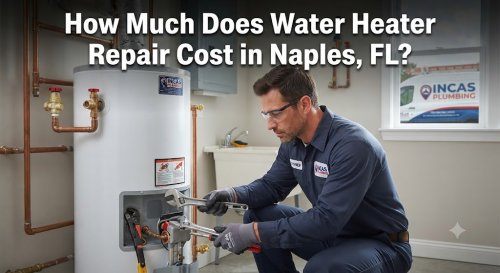
Component Diagnosis: We test heating elements, thermostats, thermocouples, dip tubes, and pressure relief valves using professional multimeters and pressure gauges.
Sediment & Flushing Assessment: We evaluate tank sediment levels and water clarity.
Clear Estimate Delivery: We explain our findings honestly and present straightforward repair or replacement options before starting work.
https://incasplumbing.com/Precision Repair or Replacement: We swap out failed parts, flush mineral buildup, or install a high-efficiency replacement unit.
Operational Testing: We fire up the system, verify thermostat calibration, and check hot water delivery across multiple fixtures.
Clean-Up & Maintenance Advice: We leave your utility area spotless and provide customized care tips to extend equipment life.
Can You Fix It Yourself?
While it is tempting to tackle appliance issues yourself, water heater repair involves high-voltage electricity, pressurized vessels, and natural gas lines, making it high-risk.
What Homeowners Can Safely Do
You can safely check your circuit breaker to ensure the water heater hasn't tripped a fuse, inspect the temperature dial setting on the exterior thermostat, visually inspect the area for leaks, and clear items stored too close to the unit for proper ventilation.
Why DIY Water Heater Repair is Risky
Attempting to replace heating elements without shutting off the main breaker can cause severe electrical shock. Working on gas control valves incorrectly risks gas leaks or carbon monoxide exposure. Furthermore, draining or flushing a neglected tank improperly can flood your garage or utility closet, and incorrect installation of pressure relief valves violates local building safety codes.
Tools Professionals Use
Professional plumbing relies on specialized diagnostic and repair instruments to ensure safety and precision:
-
Digital Multimeters: Used to test electrical continuity, voltage, and resistance in heating elements and thermostats.
-
Manometers: Precision gauges used to measure gas supply pressure and ensure proper burner combustion.
-
Thermal Imaging Cameras: Devices that scan water heater tanks to identify internal heat distribution flaws and hidden insulation failures.
-
Tank Flushing Kits and Sediment Hoses: Heavy-duty equipment designed to scour hard water scale and minerals out of traditional tanks safely.
-
Pipe Wrenches and Tubing Cutters: Specialized tools required to safely disconnect and re-secure rigid water supply lines and gas unions.
How Long Does the Repair Usually Take?
Repair timelines depend entirely on the nature of the underlying problem:
-
Diagnostic Evaluation: A standard troubleshooting visit typically takes 30 to 60 minutes.
-
Minor Component Replacement: Swapping a thermostat, thermocouple, or upper heating element takes 1 to 2 hours.
-
Tank Flushing and Maintenance: Thoroughly descaling and flushing a heavy sediment buildup takes 1 to 3 hours.
-
Full Water Heater Replacement: Removing an old unit and installing a brand-new traditional tank or tankless system takes 3 to 6 hours.
Cost Factors
Plumbing repair costs vary depending on the severity of the problem, accessibility, materials required, emergency service, property type, and local labor rates. Because every home's plumbing configuration is unique, reliable plumbers provide on-site evaluations rather than generic quotes over the phone.
What Determines Total Cost?
-
Diagnostic and Service Call Fees: The specialized expertise required to diagnose complex electrical or gas heating failures.
-
Type of Water Heater: Traditional electric and gas storage tanks involve different replacement parts than high-efficiency tankless or hybrid heat pump systems.
-
Parts and Labor: The specific components needing replacement and the labor hours required to install them safely.
-
Emergency Dispatch: After-hours or weekend emergency calls involve adjusted dispatch and labor rates.
-
Code Compliance Upgrades: Modern Florida building codes may require adding expansion tanks, drain pans, or seismic strapping during a replacement.
Hidden Truths Homeowners Should Know
Expert Insight: Ignoring a gradual loss of hot water or minor rumbling noises inside your tank usually leads to a catastrophic tank rupture. When an aging tank fails completely, it can dump 40 to 50 gallons of water across your floors in minutes, causing extensive structural damage.
-
Hard Water Damage is Cumulative: Untreated hard water in Southwest Florida aggressively scales interior components, cutting water heater lifespans nearly in half if left unmanaged.
-
Energy Inefficiency: A sediment-coated tank burns significantly more energy to achieve the same water temperature, inflating monthly utility bills.
-
Manufacturer Warranties Require Maintenance: Most tank warranties require proof of annual flushing and anode rod inspection to remain valid.
15 Common Mistakes Homeowners Make
-
Ignoring Early Temperature Drops: Waiting until the system produces zero hot water before seeking help.
-
Skipping Annual Maintenance: Failing to flush sediment or inspect anode rods yearly.
-
Setting Thermostats Too High: Turning water heater dials past 120°F to 140°F, which accelerates mineral scaling and risks scalding.
-
Neglecting Anode Rod Replacement: Allowing the sacrificial anode rod to dissolve completely, leaving the steel tank vulnerable to rapid rust.
-
Hiring Unlicensed Handymen: Allowing uninsured operators to service gas lines and high-voltage electrical connections.
-
Overloading Household Demand: Running multiple high-draw appliances simultaneously on an undersized water heating system.
-
Ignoring Small Leaks: Disregarding minor drips from temperature relief valves or tank fittings.
-
Improper Unit Sizing: Replacing an old unit with one too small for the household's actual hot water consumption.
-
Blocking Unit Ventilation: Storing boxes, chemicals, or debris around gas water heater draft hoods and combustion air inlets.
-
Skipping Expansion Tanks: Failing to install a thermal expansion tank where required by code, straining closed-loop plumbing.
-
Attempting Live Electrical Repairs: Working on electric water heaters without disconnecting power breakers.
-
Forgetting to Shut Off Gas Supply: Failing to close gas control valves before attempting minor proximity maintenance.
-
Ignoring Pungent Odors: Disregarding sulfur smells that indicate bacterial contamination or failing components.
-
Delaying Component Upgrades: Keeping outdated, inefficient units running past their recommended service life.
-
Failing to Insulate Pipes: Leaving hot water supply pipes uninsulated in unconditioned garages or crawlspaces.
Maintenance Tips
Protect your water heater and ensure an abundant hot water supply by practicing these proactive maintenance habits:
-
Flush Your Tank Annually: Remove mineral sediment and hard water scale from traditional tanks every year.
-
Inspect the Anode Rod: Check your sacrificial anode rod every 2 to 3 years and replace it when heavily corroded.
-
Test the Relief Valve: Periodically lift the lever on the temperature and pressure (T&P) relief valve to ensure proper discharge operation.
-
Maintain Proper Temperature: Keep your thermostat set to 120°F for optimal energy efficiency and safety.
-
Insulate Older Tanks: Wrap older storage tanks in an approved fiberglass insulation blanket to reduce standby heat loss.
-
Insulate Hot Water Pipes: Slide foam insulation over hot water supply pipes to retain heat as water travels to faucets.
-
Keep the Area Clear: Maintain a clear, clean perimeter around gas units to ensure safe combustion airflow.
-
Check for Moisture: Routinely check the base of your water heater for early signs of pooling water or dampness.
-
Consider a Water Softener: Install a whole-home water softening system to combat aggressive Naples hard water.
-
Drain Sediment After Storms: If local municipal water experiences turbidity or pressure drops, check your system for sediment agitation.
-
Listen for Noises: Pay attention to new rumbling or popping sounds during heating cycles.
-
Verify Gas Connections: Ensure flexible gas connectors show no signs of kinking, rust, or stress.
-
Test Electrical Breakers: Ensure dedicated circuit breakers are firmly set and free of corrosion.
-
Schedule Professional Tune-Ups: Have a licensed Naples plumber evaluate your water heater system biennially.
-
Replace Aging Units Proactively: Consider upgrading your water heater if it exceeds 10 years of service.
When Should You Call an Emergency Plumber?
Certain water heater issues require immediate, round-the-clock emergency intervention:
-
Tank Ruptures and Major Leaks: When the tank wall splits and water floods your garage, utility room, or living space.
-
Gas Leaks and Odors: When you smell natural gas or rotten eggs near the appliance control valve.
-
Electrical Burning Smells: When wiring harnesses, switches, or breaker panels emit burning odors or smoke.
-
T&P Valve Explosive Failures: When the pressure relief valve fails catastrophically, discharging steam and boiling water uncontrollably.
-
Complete System Failure in Critical Facilities: When commercial or multi-family properties lose all hot water sanitation capabilities.
Frequently Asked Questions
Why is my water heater not producing enough hot water?
This is typically caused by heavy mineral sediment buildup insulating the burner, a broken dip tube mixing cold water into the hot supply, or a failed lower heating element in electric models.
How long do water heaters last?
Traditional tank water heaters typically last between 8 to 12 years, while tankless water heaters can operate efficiently for 20 years or more with proper annual maintenance.
Can a clogged drain damage pipes?
Yes. Severe drain clogs create excessive internal hydrostatic pressure and strain pipe joints, which can cause older plumbing lines to crack or leak over time.
How much does leak detection cost?
Leak detection costs vary based on the diagnostic technology required, property size, and the accessibility of the hidden pipe or leak location.
Is hydro jetting safe for old pipes?
Hydro jetting is highly effective, but an experienced plumber must perform a preliminary camera inspection to verify that older pipe materials are structurally sound.
How do I know if my sewer line is broken?
Signs of a broken sewer line include multiple slow drains across the home, gurgling toilet bowls, foul sewage odors in the yard, and lush grass patches over trench lines.
Why does my faucet drip?
Faucets drip when internal rubber washers, O-rings, or ceramic cartridges wear out due to normal friction and mineral exposure from hard water.
What causes pipes to burst?
Pipes most commonly burst due to excessive internal water pressure, severe corrosion, physical shifting, or freezing temperatures.
Can plumbing leaks increase my water bill?
Yes. Even a small hidden leak running continuously can waste thousands of gallons of water each month, causing a sharp rise in utility costs.
When should I replace plumbing instead of repairing it?
If your property features outdated polybutylene pipes, experiences recurring pinhole leaks in multiple zones, or has severely corroded galvanized steel lines, a complete repipe is more cost-effective than endless spot repairs.
Why Choose Incas Plumbing
When you need dependable water heater service, repairs, or plumbing maintenance in Naples, Florida, partnering with the right team ensures peace of mind. At Incas Plumbing, we stand by our core values:
-
Experienced Licensed Plumbers: Highly trained professionals equipped to tackle complex residential and commercial plumbing challenges.
-
Honest Recommendations: We provide straightforward, transparent advice tailored to what your property genuinely needs.
-
Upfront Estimates: No hidden fees, surprise charges, or confusing pricing structures.
-
Fast Response Times: Prompt dispatch to secure your property and restore your daily comfort quickly.
-
Emergency Availability: Ready to assist when urgent plumbing failures strike your home or business.
-
Quality Workmanship: Precision repairs executed using top-tier materials and industry best practices.
-
Modern Equipment: Utilizing state-of-the-art diagnostic tools, testing gauges, and flushing systems.
-
Local Expertise: Deep familiarity with Naples building codes, hard water conditions, and regional infrastructure.
Contact Incas Plumbing Today
Don't let a failing water heater disrupt your daily routine or risk property damage. Reach out to our local team at Incas Plumbing, located on Dale Ave, Naples, FL, or call us anytime at (844) 973-0400 to schedule your professional water heater service or inspection.