Repair or Replace Plumbing Pipes? Know When to Decide
Knowing whether to repair or replace plumbing pipes can save homeowners money and prevent future damage. Learn the signs of pipe failure, repair options, replacement factors, and when to call a professional plumber.
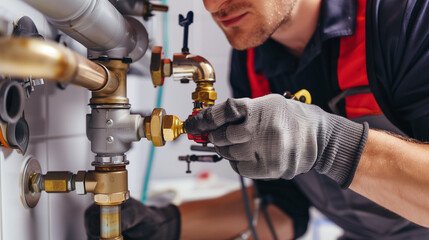
When Should You Repair Plumbing Pipes and When Should You Replace Them?
Your home's plumbing pipes are designed to provide reliable water supply and drainage for many years. However, like any part of your home, pipes eventually wear down due to age, corrosion, water quality, pressure issues, and everyday use.
One of the most common questions homeowners ask is:
"Should I repair my plumbing pipes or replace them completely?"
The answer depends on several factors, including the pipe material, age, location of the damage, frequency of repairs, and overall condition of your plumbing system.
A small leak in an otherwise healthy pipe may only require a repair. However, replacing aging or severely damaged pipes may prevent repeated problems and expensive water damage.
Incas Plumbing helps homeowners evaluate their plumbing systems and choose practical repair or replacement solutions based on their specific needs.
Why Pipe Decisions Matter
Ignoring damaged plumbing pipes can lead to:
- Water leaks
- Mold growth
- Structural damage
- Higher water bills
- Poor water quality
- Emergency plumbing repairs
Choosing the right solution early can protect your home and reduce long-term costs.
Pipe Repair vs Pipe Replacement
Understanding the difference helps homeowners make better decisions.
Pipe Repair
Pipe repair focuses on fixing a specific damaged area.
Common repair situations include:
- Small leaks
- Loose connections
- Minor cracks
- Damaged fittings
- Isolated pipe problems
Repair is usually less disruptive and more affordable when the plumbing system is still in good condition.
Pipe Replacement
Pipe replacement involves removing old or damaged sections and installing new pipes.
Replacement may be recommended when:
- Pipes are very old
- Damage occurs repeatedly
- Corrosion is widespread
- Multiple leaks exist
- Pipes have reached the end of their lifespan
Signs Your Pipes Need Repair
Some plumbing problems can be solved without replacing the entire system.
Small Visible Leaks
A single leaking connection or small pipe crack may only require repair.
Common locations include:
- Under sinks
- Around fixtures
- Near appliances
Isolated Pipe Damage
If only one section of pipe is damaged, repairing that area may be enough.
Recent Plumbing Installation
Newer plumbing systems with minor issues are often repairable.
Occasional Plumbing Problems
If problems happen rarely, repairs may be the best option.
Signs Your Pipes Need Replacement
Some warning signs indicate that repairs may only provide a temporary solution.
Frequent Pipe Leaks
If you continue repairing leaks throughout your home, your pipes may be failing.
Repeated repairs can become more expensive than replacement.
Old Plumbing Pipes
Pipe lifespan depends on:
- Material
- Water quality
- Installation
- Maintenance
Older pipes are more likely to experience corrosion and failures.
Corrosion and Rust
Visible corrosion may indicate weakening pipes.
Signs include:
- Rust-colored water
- Flaking metal
- Discolored pipes
- Weak pipe surfaces
Low Water Pressure
A sudden or ongoing pressure drop may be caused by:
- Pipe buildup
- Corrosion
- Internal restrictions
Discolored Water
Brown, yellow, or rusty water may indicate pipe deterioration.
Strange Pipe Noises
Sounds such as:
- Banging
- Whistling
- Knocking
may indicate plumbing system problems.
Common Causes of Pipe Damage
Several factors affect pipe performance.
Aging Pipes
Older plumbing materials naturally weaken over time.
Hard Water
Minerals in hard water can create buildup inside pipes and reduce water flow.
High Water Pressure
Excess pressure places stress on plumbing connections.
Corrosion
Metal pipes can deteriorate due to:
- Water chemistry
- Soil conditions
- Age
Freezing Temperatures
Frozen water expands and can crack pipes.
Poor Installation
Incorrect installation may lead to premature failures.
Common Pipe Materials and Lifespan
Different materials have different expected lifespans.
Copper Pipes
Copper is durable but may develop corrosion or pinhole leaks over time.
PEX Pipes
PEX is flexible and resistant to many common plumbing problems.
PVC Pipes
PVC is commonly used for drainage and certain water applications.
Galvanized Pipes
Older galvanized pipes often experience corrosion and reduced water flow.
Professional Pipe Inspection Process
A plumber typically follows these steps:
Step 1: Plumbing Evaluation
The plumber reviews:
- Pipe age
- Previous repairs
- Symptoms
- Water quality concerns
Step 2: Visual Inspection
Accessible pipes are checked for:
- Corrosion
- Leaks
- Damage
Step 3: Testing
Professional testing may include:
- Water pressure checks
- Leak detection
- Pipe inspection
Step 4: Damage Assessment
The plumber determines whether repair or replacement is more practical.
Step 5: Recommendation
You receive options based on:
- Safety
- Cost
- Long-term reliability
Can Homeowners Repair Plumbing Pipes?
Some small maintenance tasks may be safe for homeowners.
You can:
- Tighten accessible connections carefully
- Replace simple fixture parts
- Check for visible leaks
- Shut off water during emergencies
However, professional help is recommended for:
- Hidden pipe leaks
- Main water lines
- Extensive corrosion
- Pipe replacement
- Wall or underground plumbing
Incorrect repairs can increase damage and repair costs.
Tools Professionals Use for Pipe Repairs
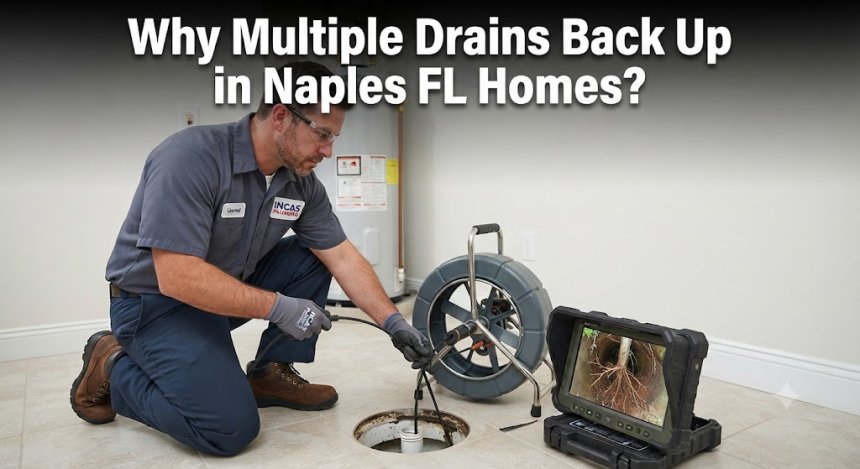
Professional plumbers use specialized equipment such as:
Pipe Inspection Cameras
Used to inspect internal pipe conditions.
Leak Detection Equipment
Helps locate hidden leaks.
Pressure Testing Tools
Checks plumbing system performance.
Pipe Cutting and Joining Tools
Used for accurate repairs and replacements.
Trenchless Equipment
Allows certain underground pipe replacements with less digging.
How Long Does Pipe Repair or Replacement Take?
The timeline depends on the size and complexity of the project.
Small Pipe Repairs
Minor leaks or fittings may be repaired quickly.
Moderate Repairs
Replacing sections of damaged pipe may require additional labor.
Full Pipe Replacement
Whole-home repiping may take longer depending on:
- Home size
- Pipe accessibility
- Number of fixtures
- Materials used
Cost Factors for Pipe Repair and Replacement
Plumbing costs vary based on:
- Type of pipe material
- Amount of damage
- Location of pipes
- Accessibility
- Labor requirements
- Replacement materials
- Required permits
- Restoration work
Repairing one damaged section is usually less expensive than replacing an entire plumbing system.
However, repeated repairs on old pipes may cost more over time.
Plumbing repair costs vary depending on the severity of the problem, accessibility, materials required, emergency service, property type, and local labor rates.
Hidden Truths Homeowners Should Know
- The cheapest repair is not always the best long-term solution.
- Repeated leaks often indicate larger plumbing issues.
- Old pipes may continue failing after individual repairs.
- Hidden pipe damage can cause major water damage.
- Water quality changes may indicate pipe problems.
- Preventive replacement can reduce emergency repairs.
- Professional inspections help avoid unnecessary work.
- Pipe replacement can improve reliability.
- Ignoring corrosion usually makes problems worse.
- Maintenance extends plumbing lifespan.
15 Common Mistakes Homeowners Make With Plumbing Pipes
1. Ignoring Small Leaks
Small leaks can become major failures.
2. Choosing Temporary Fixes Only
Temporary repairs may not solve underlying issues.
3. Ignoring Pipe Age
Older pipes require evaluation.
4. Waiting Until Pipes Burst
Emergency repairs are often more expensive.
5. Using Incorrect Repair Materials
Wrong materials can fail.
6. Ignoring Water Pressure Problems
Pressure affects pipe lifespan.
7. Skipping Inspections
Hidden problems may go unnoticed.
8. Covering Corrosion
Rust indicates possible deterioration.
9. Delaying Professional Repairs
Damage can spread.
10. Attempting Complex DIY Repairs
Mistakes can increase costs.
11. Ignoring Water Quality Changes
Discoloration may indicate pipe issues.
12. Neglecting Hard Water Effects
Mineral buildup damages plumbing.
13. Choosing Based Only on Price
Quality matters for long-term results.
14. Avoiding Pipe Replacement When Necessary
Repeated repairs may cost more.
15. Not Maintaining New Plumbing Systems
New pipes still require care.
Plumbing Maintenance Tips
Follow these steps to extend pipe life:
- Check for leaks regularly.
- Monitor water pressure.
- Repair dripping fixtures.
- Schedule plumbing inspections.
- Protect pipes from freezing.
- Avoid harsh drain chemicals.
- Maintain water heaters.
- Watch for discoloration.
- Check exposed pipes.
- Address unusual sounds.
- Keep drains clear.
- Monitor water bills.
- Maintain proper drainage.
- Know your shutoff valve location.
- Replace aging components when needed.
When Should You Call a Plumber?
Contact a professional plumber when you notice:
- Frequent leaks
- Rust-colored water
- Low water pressure
- Pipe corrosion
- Burst pipes
- Water damage
- Aging plumbing systems
- Repeated repairs
A professional inspection can help determine whether repair or replacement is the better choice.
People Also Ask
How do I know if my pipes need replacement?
Signs include frequent leaks, corrosion, low pressure, discoloration, and aging plumbing materials.
Is it cheaper to repair or replace plumbing pipes?
Repairs are usually less expensive initially, but replacement may save money when pipes repeatedly fail.
How long do plumbing pipes last?
Pipe lifespan depends on material, installation quality, water conditions, and maintenance.
Can old pipes cause low water pressure?
Yes. Corrosion and buildup can restrict water flow.
Should I replace pipes in an old house?
An inspection can determine whether replacement is necessary.
Can leaking pipes cause mold?
Yes. Long-term moisture can encourage mold growth.
Are pipe repairs permanent?
It depends on the damage and condition of the surrounding plumbing system.
What causes plumbing pipes to fail?
Common causes include corrosion, age, pressure problems, freezing, and poor installation.
How often should plumbing pipes be inspected?
Inspection frequency depends on pipe age and previous plumbing problems.
When is repiping recommended?
Repiping is usually considered when many pipes are failing or repairs are becoming frequent.
Why Choose Incas Plumbing?
Choosing between pipe repair and replacement requires experience and accurate evaluation.
Incas Plumbing provides:
- Professional pipe inspections
- Leak detection services
- Pipe repair solutions
- Replacement recommendations
- Quality plumbing workmanship
- Honest guidance
The goal is to help homeowners choose the right solution based on their plumbing system's actual condition.
Contact Incas Plumbing Today
If you are unsure whether your plumbing pipes need repair or replacement, schedule a professional inspection.
Contact Incas Plumbing today for reliable plumbing advice and service.
Call 844-833-2093 to request an estimate or schedule your plumbing inspection.