No Hot Water? Repair or Replace Your Water Heater
No hot water at home? Learn common water heater problems, repair vs replacement signs, costs, maintenance tips, and when to call a plumber.
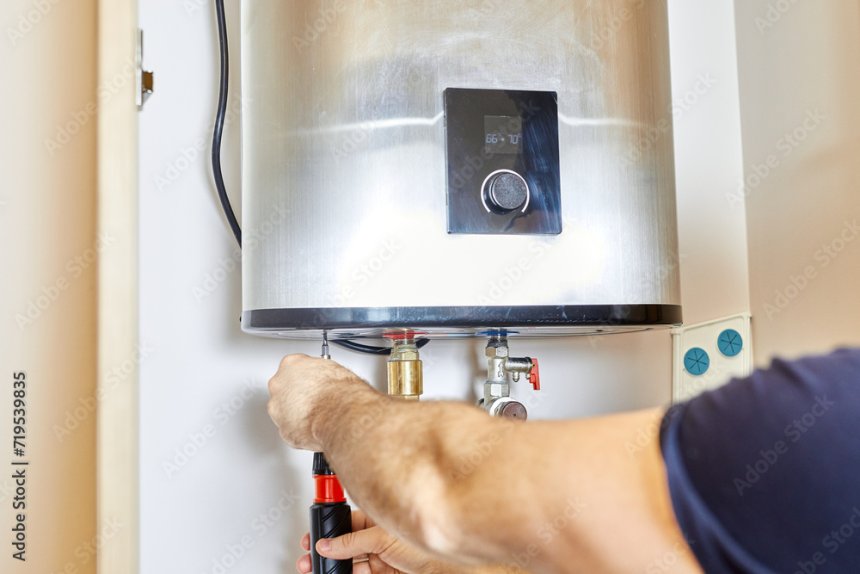
No Hot Water: Repair or Replace Your Water Heater?
Few plumbing problems are more frustrating than turning on the shower and discovering there is no hot water. Whether it happens during a busy morning, after a long day of work, or during colder weather, a failing water heater can quickly disrupt your daily routine.
Many homeowners search for no hot water repair or replace water heater because they are unsure whether their system needs a simple repair or a complete replacement. In some cases, a worn-out component can restore hot water quickly. In other situations, repairing an old or damaged water heater may only delay a larger failure.
Understanding the warning signs, common causes, repair options, and replacement considerations can help you make a smarter decision before calling a professional plumber.
Incas Plumbing provides reliable water heater services to help homeowners diagnose problems, understand available options, and choose the right solution for their property.
What Does It Mean When You Have No Hot Water?
A no-hot-water problem means your water heater is no longer producing enough heated water or is completely unable to provide hot water.
Your water heater may fail because of:
- Electrical problems
- Gas supply issues
- Broken heating elements
- Thermostat failure
- Sediment buildup
- Damaged internal components
- Aging equipment
- Improper installation
For example, a homeowner may suddenly lose hot water because a heating element inside an electric water heater has failed. Another homeowner may experience lukewarm water because sediment buildup is reducing the efficiency of an older tank.
The right solution depends on the cause, the age of the unit, and the overall condition of the water heater.
Why Does a Water Heater Stop Producing Hot Water?
Several issues can cause a water heater to stop working properly.
1. Failed Heating Element (Electric Water Heaters)
Electric water heaters use heating elements to warm the water inside the tank.
Over time, heating elements can burn out due to:
- Age
- Mineral buildup
- Electrical problems
- Excessive use
A failed heating element often results in no hot water or water that never reaches the correct temperature.
2. Gas Supply Problems (Gas Water Heaters)
Gas-powered water heaters require a proper gas supply and functioning burner system.
Possible issues include:
- Faulty gas valve
- Dirty burner
- Pilot light problems
- Gas supply interruption
A professional plumber should inspect gas-related problems because improper handling can create safety risks.
3. Broken Thermostat
The thermostat controls water temperature.
If it fails, your water heater may:
- Stop heating completely
- Produce water that is too cold
- Overheat water
4. Sediment Buildup Inside the Tank
Minerals from hard water settle at the bottom of the tank over time.
Sediment buildup can:
- Reduce heating efficiency
- Increase energy costs
- Cause popping or banging noises
- Shorten the lifespan of the unit
5. Water Heater Age
Traditional tank water heaters typically last many years with proper maintenance, but older units become more likely to experience failures.
As a water heater ages, repairs may become more frequent and less cost-effective.
6. Faulty Electrical Connections
Loose wiring, damaged breakers, or electrical failures can prevent an electric water heater from working.
Electrical issues should always be handled carefully.
7. Broken Dip Tube
The dip tube directs cold water to the bottom of the tank for heating.
If it breaks, cold and hot water may mix, resulting in lukewarm water.
Signs You Should Repair Your Water Heater
A repair may be the right choice when:
The Unit Is Relatively New
If your water heater is still within a reasonable service life and the tank is in good condition, repairing a component may be practical.
The Problem Is a Replaceable Part
Common repairable issues include:
- Thermostat replacement
- Heating element replacement
- Faulty valve repair
- Pilot light problems
- Minor component failures
The Tank Is Not Leaking
A leaking tank is often a sign of internal corrosion that cannot be repaired permanently.
Repair Costs Are Reasonable
If the repair restores performance without major future concerns, repairing may make financial sense.
Signs You Should Replace Your Water Heater
Replacement may be the better option when:
1. Your Water Heater Is Old
Older units are more likely to fail and may operate inefficiently.
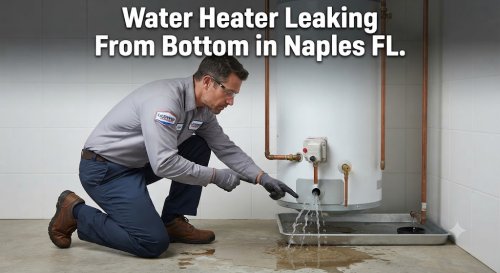
2. The Tank Is Leaking
A leaking tank usually indicates internal damage.
Once the tank itself fails, replacement is generally required.
3. Repairs Keep Increasing
If you have repaired the same unit multiple times, replacement may save money long-term.
4. Your Energy Bills Are Rising
Older water heaters often lose efficiency and require more energy to operate.
5. Hot Water Supply Is No Longer Enough
If your household needs more hot water than your current system provides, upgrading may improve comfort.
Common Water Heater Problems Related to No Hot Water
A failing water heater may also cause:
Lukewarm Water
Often caused by thermostat issues, sediment buildup, or incorrect settings.
Strange Noises
Popping, cracking, or rumbling sounds may indicate sediment accumulation.
Discolored Water
Rust-colored water can indicate corrosion inside the tank.
Water Leaks
Leaks around connections or the tank require immediate attention.
Frequent System Shutdowns
Repeated failures may indicate the unit is reaching the end of its lifespan.
Step-by-Step Professional Water Heater Repair or Replacement Process
A licensed plumber typically follows these steps:
Step 1: Inspection
The plumber evaluates:
- Water heater age
- Power or gas supply
- Visible damage
- Performance issues
Step 2: Diagnosis
Professional testing identifies the actual cause of failure.
Step 3: Explain Repair vs Replacement Options
The plumber explains whether repairing the existing unit is practical or if replacement provides better long-term value.
Step 4: Repair or Installation
Depending on the diagnosis, the plumber may:
- Replace faulty components
- Flush sediment
- Repair connections
- Install a new water heater
Step 5: Testing
The system is tested for:
- Proper heating
- Safe operation
- Correct water temperature
- Leak-free connections
Step 6: Maintenance Recommendations
The plumber may recommend maintenance steps to extend system life.
Can You Fix a Water Heater Yourself?
Homeowners can safely check a few basic things:
- Confirm the thermostat setting
- Check if circuit breakers have tripped
- Confirm the gas supply is available
- Check for visible leaks
- Ensure the pilot light is operating (if safe and appropriate)
However, water heaters involve electricity, gas, pressure, and hot water. Attempting complex repairs without proper knowledge can create safety hazards.
Professional service is recommended for:
- Gas problems
- Electrical repairs
- Internal component replacement
- Tank leaks
- Installation work
Tools Professionals Use for Water Heater Services
Professional plumbers use specialized equipment, including:
Electrical Testing Tools
Used to diagnose electric water heater problems safely.
Gas Leak Detection Equipment
Helps identify gas-related concerns.
Pressure Testing Equipment
Checks system operation and safety.
Drain and Flushing Equipment
Removes sediment buildup.
Temperature Testing Tools
Ensures the water heater operates correctly.
How Long Does Water Heater Repair or Replacement Take?
The timeline depends on the problem.
Minor Repairs
Simple component replacements may often be completed quickly.
Moderate Repairs
Issues involving multiple parts may require additional time.
Full Replacement
Replacing a water heater usually requires removal of the old unit, installation of the new system, testing, and cleanup.
Factors affecting completion time include:
- Unit type
- Accessibility
- Required parts
- Installation requirements
- Code compliance
Cost Factors for Water Heater Repair or Replacement
Water heater costs vary based on several factors.
Important considerations include:
- Type of water heater
- Tank size
- Labor requirements
- Replacement parts
- Installation complexity
- Energy efficiency features
- Venting requirements
- Permits if required
Plumbing repair and replacement costs vary depending on the severity of the problem, accessibility, materials required, emergency service, property type, and local labor rates.
A professional plumber can inspect your system and provide accurate recommendations.
Hidden Truths Homeowners Should Know About Water Heaters
- A small water heater problem can become a major failure.
- Regular maintenance extends equipment lifespan.
- Tank leaks usually cannot be permanently repaired.
- Sediment buildup reduces efficiency.
- Older units often cost more to operate.
- Ignoring strange noises may lead to bigger problems.
- Choosing the cheapest replacement may increase future costs.
- Proper installation affects safety and performance.
- Annual inspections can identify problems early.
- Repair is not always the cheapest long-term option.
15 Common Mistakes Homeowners Make
1. Ignoring Small Leaks
Small leaks can become major water damage issues.
2. Skipping Maintenance
Lack of flushing allows sediment buildup.
3. Setting Temperatures Too High
Excessive temperatures waste energy and create safety risks.
4. Delaying Repairs
Minor problems can damage internal components.
5. Installing the Wrong Size Unit
Incorrect sizing affects performance.
6. Choosing Based Only on Price
Low-cost options may not provide long-term value.
7. Ignoring Strange Noises
Sounds may indicate sediment problems.
8. Attempting Gas Repairs
Gas work requires professional expertise.
9. Forgetting Pressure Relief Valve Checks
Safety components require attention.
10. Installing Without Proper Knowledge
Incorrect installation can create hazards.
11. Ignoring Water Quality Issues
Hard water affects lifespan.
12. Skipping Professional Inspection
Hidden problems may go unnoticed.
13. Keeping an Extremely Old Unit
Older systems become unreliable.
14. Using Incorrect Replacement Parts
Wrong parts affect operation.
15. Waiting Until Complete Failure
Emergency replacement may be more stressful.
Water Heater Maintenance Tips
- Flush the tank regularly
- Check for leaks
- Test temperature settings
- Inspect connections
- Monitor unusual noises
- Maintain proper water pressure
- Schedule professional inspections
- Install a water softener if needed
- Insulate exposed pipes
- Check the anode rod when applicable
- Keep the area around the unit clear
- Replace aging components early
- Monitor energy bills
- Avoid blocking ventilation areas
- Address minor issues quickly
When Should You Call an Emergency Plumber?
Call a professional immediately if you notice:
- Water leaking from the tank
- Flooding near the water heater
- Gas smell
- Electrical burning smell
- No hot water during freezing conditions
- Burst water heater connections
- Major water damage
Quick action can reduce damage and improve safety.
People Also Ask
Why is my water heater not producing hot water?
Common causes include failed heating elements, thermostat problems, gas supply issues, and sediment buildup.
Should I repair or replace my water heater?
The decision depends on the unit’s age, condition, repair cost, and future reliability.
How long do water heaters usually last?
Lifespan depends on maintenance, water quality, usage, and installation quality.
How do I know if my water heater is failing?
Warning signs include leaks, strange noises, rusty water, frequent repairs, and inconsistent temperatures.
Is replacing a water heater better than repairing it?
For older units with repeated problems, replacement may be more practical.
Why does my water heater make popping noises?
Popping sounds often result from sediment buildup inside the tank.
Can a leaking water heater be repaired?
Minor connection leaks may be repairable, but leaking tanks usually require replacement.
How often should a water heater be maintained?
Regular maintenance helps improve efficiency and identify problems early.
Why does my hot water run out quickly?
Possible causes include sediment buildup, incorrect sizing, or failing components.
What size water heater do I need?
The correct size depends on household usage, fixtures, and hot water demand.
Why Choose Incas Plumbing?
Choosing the right plumbing company matters when dealing with water heater problems. Incas Plumbing helps homeowners understand whether repair or replacement is the best option for their situation.
Benefits of professional service include:
- Experienced plumbing technicians
- Proper system diagnosis
- Honest recommendations
- Quality installation practices
- Reliable repair solutions
- Customer-focused service