Emergency Plumbing Problems: When to Call a Plumber
Learn which plumbing issues require emergency service, warning signs, causes, repair steps, prevention tips, and when to call a professional plumber.
Emergency Plumbing Problems: When to Call a Plumber
Plumbing emergencies can happen when you least expect them. A burst pipe in the middle of the night, a sewage backup in your bathroom, or a major water leak behind a wall can quickly cause expensive property damage if not handled immediately.
Many homeowners are unsure whether a plumbing issue requires emergency service or if it can wait for a regular appointment. Understanding the difference between a minor plumbing problem and a true emergency can help you take the right action at the right time.
Emergency plumbing problems are not always obvious. Sometimes, early warning signs such as unusual noises, low water pressure, slow drainage, or damp spots can indicate a developing issue that may become a major repair if ignored.
Incas Plumbing provides professional plumbing solutions to help homeowners identify problems, minimize damage, and restore safe plumbing operation.
What Are Emergency Plumbing Problems?
Emergency plumbing problems are situations where immediate attention is needed to prevent property damage, health hazards, or disruption of essential water services.
A plumbing emergency usually involves uncontrolled water flow, sewage exposure, major system failure, or safety concerns.
Common emergency plumbing situations include:
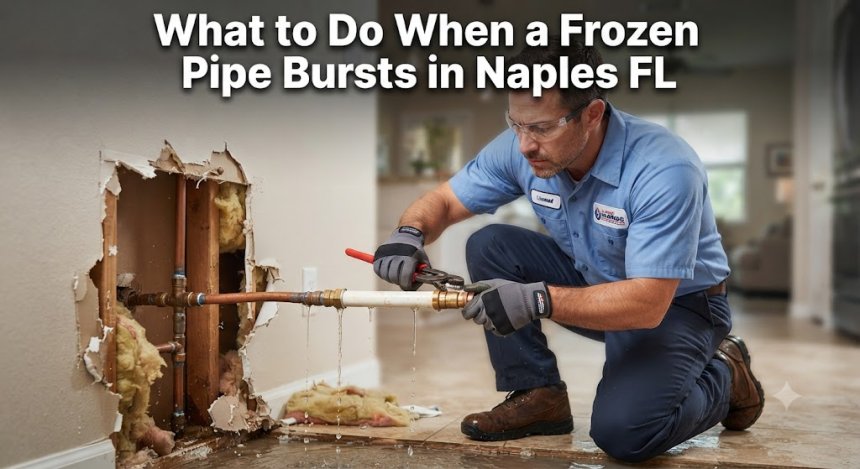
Burst Pipes
A burst pipe can release large amounts of water within minutes.
Common causes include:
- Freezing temperatures
- Corrosion
- High water pressure
- Aging pipes
- Weak pipe connections
A burst pipe can damage walls, flooring, furniture, electrical systems, and personal belongings.
Sewer Backups
A sewer backup occurs when wastewater cannot properly leave your property and starts coming back through drains and fixtures.
Common signs include:
- Sewage odors
- Water rising from floor drains
- Toilet backups
- Multiple clogged drains
Sewage exposure can create serious health concerns and requires professional attention.
Major Water Leaks
A leaking pipe, water heater, or plumbing fixture can cause significant damage if water continues flowing.
Hidden leaks can damage:
- Drywall
- Flooring
- Cabinets
- Insulation
- Structural materials
Water Heater Failures
A failing water heater can create several emergency situations, including:
- Large leaks
- Flooding
- Lack of hot water
- Pressure-related problems
A leaking water heater tank often requires replacement rather than repair.
Overflowing Toilets
A continuously overflowing toilet can quickly damage floors and create unsanitary conditions.
If shutting off the toilet valve does not stop the water, professional help may be necessary.
Why Do Plumbing Emergencies Happen?
Understanding common causes can help homeowners prevent unexpected failures.
Aging Plumbing Systems
Older plumbing systems are more likely to experience leaks, corrosion, and pipe failures.
Over time, pipes may become weaker due to:
- Mineral buildup
- Rust
- Repeated pressure changes
- Normal wear and tear
High Water Pressure
Excessive water pressure puts stress on plumbing components.
High pressure can damage:
- Pipes
- Faucets
- Water heaters
- Valves
- Appliance connections
Frozen Pipes
In cold weather areas, freezing temperatures can cause water inside pipes to expand.
This expansion creates pressure that can crack or burst pipes.
Poor Installation
Incorrectly installed plumbing systems may experience:
- Loose connections
- Improper drainage
- Frequent leaks
- Premature failures
Lack of Maintenance
Ignoring small plumbing problems often leads to larger emergencies.
Examples include:
- Delaying leak repairs
- Ignoring slow drains
- Skipping water heater maintenance
- Avoiding plumbing inspections
Signs You Should Never Ignore
Certain warning signs indicate you should contact a professional plumber quickly.
Sudden Water Loss
If your home suddenly has no water, possible causes include:
- Main water line damage
- Frozen pipes
- Valve failure
- Major plumbing problems
Water Pooling Around Fixtures
Water around toilets, sinks, or water heaters may indicate an active leak.
Damp Walls or Ceilings
Water stains, peeling paint, or soft drywall may indicate hidden plumbing leaks.
Strange Plumbing Noises
Unusual sounds such as:
- Banging pipes
- Gurgling drains
- Whistling fixtures
may indicate pressure issues or blockages.
Sewage Odors
A strong sewage smell inside or outside your home may indicate sewer problems.
Rapidly Increasing Water Bills
A sudden increase in water usage may signal a hidden leak.
Common Emergency Plumbing Problems and Their Solutions
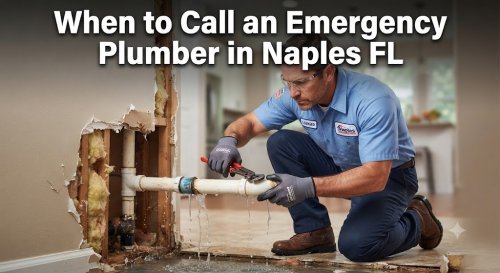
Burst Pipe Repair
A professional plumber will usually:
- Shut off water supply
- Locate damaged pipe sections
- Repair or replace affected pipes
- Test the system
Sewer Backup Repair
Solutions may include:
- Sewer camera inspection
- Drain cleaning
- Hydro jetting
- Sewer line repair
Water Leak Detection and Repair
Professional leak detection helps locate hidden leaks without unnecessary damage.
Water Heater Emergency Repair
Depending on the issue, repairs may involve:
- Replacing failed components
- Repairing connections
- Replacing the entire unit
What Should You Do During a Plumbing Emergency?
Taking quick action can reduce damage.
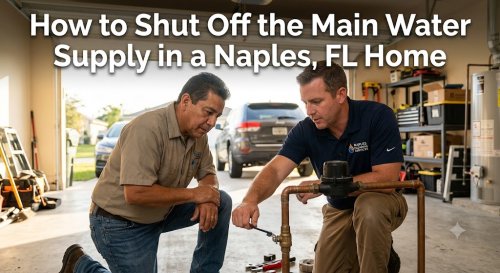
Step 1: Shut Off the Main Water Supply
Locate your main shutoff valve and turn it off if possible.
Stopping water flow can prevent additional damage.
Step 2: Turn Off Electrical Sources Near Water
If water reaches electrical outlets, appliances, or wiring, avoid contact and seek professional assistance.
Step 3: Remove Valuable Items
Move furniture, electronics, and belongings away from affected areas.
Step 4: Document the Damage
Take photos and videos for repair records or insurance purposes.
Step 5: Contact a Professional Plumber
A licensed plumber can identify the cause and provide the correct repair.
Step-by-Step Professional Emergency Plumbing Process
A professional plumber follows a structured approach to emergency repairs.
Step 1: Emergency Inspection
The plumber evaluates:
- Damage level
- Safety concerns
- Water source
- Plumbing system condition
Step 2: Stop the Immediate Problem
The first priority is controlling water flow and preventing additional damage.
Step 3: Diagnose the Cause
Professional tools help identify:
- Pipe failures
- Blockages
- Leak locations
- Equipment problems
Step 4: Provide Repair Options
The plumber explains available solutions and recommends the most appropriate repair.
Step 5: Complete the Repair
Depending on the problem, repairs may include:
- Pipe replacement
- Leak repair
- Drain cleaning
- Fixture replacement
- Water heater repair
Step 6: Test the Plumbing System
The plumber checks:
- Water pressure
- Drainage
- Leak-free operation
- Fixture performance
Step 7: Provide Prevention Advice
Homeowners receive recommendations to avoid future emergencies.
Can You Fix Emergency Plumbing Problems Yourself?
Homeowners can handle a few temporary steps, such as:
- Turning off the water supply
- Using towels to control small leaks
- Removing standing water
- Clearing access to plumbing areas
However, major plumbing emergencies usually require professional service.
Avoid DIY repairs involving:
- Gas lines
- Electrical components
- Main sewer lines
- Hidden pipes
- Pressurized systems
Incorrect repairs can increase damage and create safety risks.
Tools Professionals Use for Emergency Plumbing Repairs
Professional plumbers use advanced equipment to diagnose and repair problems accurately.
Leak Detection Equipment
Used to locate hidden leaks behind walls, floors, and ceilings.
Sewer Inspection Cameras
Small cameras allow plumbers to inspect sewer lines without unnecessary excavation.
Hydro Jetting Equipment
High-pressure water cleaning removes stubborn blockages and buildup.
Pipe Repair Tools
Specialized tools allow plumbers to repair damaged sections safely.
Pressure Testing Equipment
Used to check plumbing system performance and identify leaks.
How Long Does Emergency Plumbing Repair Take?
Repair time depends on the type and severity of the problem.
Minor Plumbing Emergencies
Examples:
- Small fixture leaks
- Minor clogs
- Valve repairs
These may often be completed quickly.
Moderate Plumbing Emergencies
Examples:
- Pipe repairs
- Water heater component replacement
- Drain blockage removal
These may require more time depending on access and parts.
Major Plumbing Emergencies
Examples:
- Sewer line damage
- Extensive flooding
- Multiple pipe failures
These repairs may take longer due to complexity.
Factors affecting repair time include:
- Location of damage
- Accessibility
- Required materials
- Property size
- Repair method
Cost Factors for Emergency Plumbing Services
Emergency plumbing costs vary depending on the situation.
Factors that influence pricing include:
Type of Emergency
A small leak repair costs differently than a major pipe replacement.
Labor Requirements
Complex repairs require more time and specialized skills.
Replacement Parts
Costs depend on the materials and components needed.
Accessibility
Problems behind walls, under floors, or underground may require additional work.
Emergency Service Timing
After-hours or urgent service may affect overall costs.
Plumbing repair costs vary depending on the severity of the problem, accessibility, materials required, emergency service, property type, and local labor rates.
A professional plumber can provide a more accurate estimate after inspection.
Hidden Truths Homeowners Should Know About Plumbing Emergencies
- Small leaks can become expensive repairs.
- Waiting too long often increases water damage.
- Sewage backups create health risks.
- Hidden leaks may continue damaging your home silently.
- Older plumbing systems require more attention.
- DIY repairs can sometimes increase repair costs.
- Water heaters can fail without warning.
- Regular inspections help identify problems early.
- Preventive maintenance is usually less expensive than emergency repairs.
- Knowing your main water shutoff location can reduce damage.
15 Common Mistakes Homeowners Make During Plumbing Problems
1. Ignoring Small Leaks
Small leaks can become major water damage issues.
2. Waiting Until the Problem Gets Worse
Delaying repairs usually increases costs.
3. Using Chemical Drain Cleaners Frequently
Chemical cleaners may damage some plumbing systems.
4. Flushing Incorrect Items
Non-flushable items create serious blockages.
5. Ignoring Water Pressure Problems
High pressure damages plumbing components.
6. Attempting Gas Repairs
Gas-related plumbing work requires licensed professionals.
7. Not Knowing the Shutoff Valve Location
Quick shutoff can prevent flooding.
8. Ignoring Sewer Odors
Bad smells may indicate serious sewer problems.
9. Skipping Maintenance
Regular inspections prevent unexpected failures.
10. Hiring Unqualified Workers
Poor repairs can create future issues.
11. Covering Water Damage Without Fixing the Cause
The original problem may continue.
12. Ignoring Water Heater Warning Signs
Small issues can become major failures.
13. Using Wrong Repair Materials
Incorrect materials may fail quickly.
14. Attempting Major DIY Repairs
Complex plumbing requires professional knowledge.
15. Waiting Until Complete Failure
Early action often prevents expensive damage.
Maintenance Tips to Prevent Plumbing Emergencies
- Check pipes regularly for leaks
- Repair dripping faucets quickly
- Monitor water pressure
- Avoid flushing harmful items
- Dispose of grease properly
- Clean drains regularly
- Maintain your water heater
- Insulate pipes during cold weather
- Know your main shutoff valve location
- Schedule routine plumbing inspections
- Check appliances connected to water lines
- Watch for mold and moisture
- Replace aging fixtures
- Address slow drains early
- Keep gutters and drainage systems clear
- Schedule professional maintenance when needed
When Should You Call an Emergency Plumber?
You should contact a professional plumber immediately for:
- Burst pipes
- Sewage backups
- Major flooding
- Uncontrolled water leaks
- No running water
- Broken water heaters
- Gas-related plumbing concerns
- Overflowing toilets
Quick professional assistance can help reduce damage and restore your plumbing system safely.
People Also Ask
What is considered a plumbing emergency?
A plumbing emergency is any problem that can cause major property damage, health risks, or loss of essential plumbing services.
How quickly should I call a plumber for a burst pipe?
A burst pipe should be addressed immediately because water damage can spread quickly.
Can a clogged drain become an emergency?
Yes. Severe blockages can lead to sewage backups and flooding.
What should I do if my house is flooding?
Turn off the water supply if possible and contact a professional plumber.
Why do pipes suddenly burst?
Common causes include freezing temperatures, corrosion, high pressure, and aging pipes.
Should I repair or replace leaking pipes?
The best option depends on pipe condition, age, and damage severity.
Can hidden leaks cause serious damage?
Yes. Hidden leaks can damage walls, flooring, and structural materials.
How can I prevent plumbing emergencies?
Regular maintenance, inspections, and quick repairs help reduce risks.
Are emergency plumbing services more expensive?
Costs vary depending on timing, problem severity, and repair complexity.
How often should plumbing systems be inspected?
Inspection frequency depends on your home's age, plumbing condition, and previous issues.
Why Choose Incas Plumbing?
When facing emergency plumbing problems, choosing an experienced plumbing company can make a major difference.
Incas Plumbing focuses on providing professional solutions with:
- Accurate problem diagnosis
- Experienced plumbing service
- Honest repair recommendations
- Quality workmanship
- Modern plumbing tools
- Customer-focused support
Whether you are dealing with a burst pipe, sewer backup, water leak, or urgent plumbing failure, professional assistance can help protect your property