How Much Does a Plumber Cost Per Hour in Naples, FL?
Curious about hourly plumbing rates in Naples, FL? Learn what drives plumbing costs, hourly vs. flat rates, emergency fees, and maintenance tips
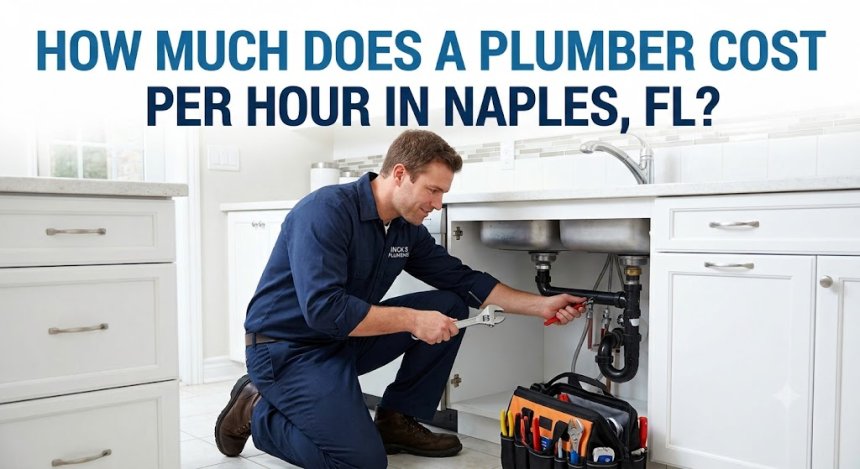
How Much Does a Plumber Cost Per Hour in Naples, FL?
When a pipe starts leaking under your kitchen sink or your toilet refuses to flush on a Sunday morning, your initial reaction is usually a mix of stress and budget panic. Property owners throughout Naples, Florida—from old-town historic homes near Fifth Avenue South to sprawling estates in Pelican Bay, Park Shore, and Golden Gate—all face the same pressing question when a crisis strikes: "How much does a plumber cost per hour in Naples, FL?"
Understanding hourly plumbing costs isn't just about reading a single number on a price tag. Homeowners search for this topic because they want to avoid getting blindsided by hidden charges, understand why rates vary so widely across Collier County, and know whether paying an hourly rate or a flat job fee works best for their situation. Immediate attention is often essential for urgent plumbing issues, but educated homeowners make much better decisions when they know how professional plumbing rates are structured.
What Is the Hourly Plumbing Cost System in Naples, FL?
When a plumbing company quotes work on an hourly basis, you are paying for the technician’s active time, diagnostic skills, and professional labor. Unlike buying a fixed retail item, hiring a plumber involves paying for trade expertise, specialized equipment, licensing, insurance, and local travel.
Common Situations Where Hourly Rates Apply
-
Complex Troubleshooting: Finding an invisible water leak behind drywall or locating a pinhole slab leak beneath concrete.
-
Custom Installations: Fitting high-end bathroom fixtures or retrofitting custom copper and PEX lines in older Naples residences.
-
Small Miscellaneous Repairs: Fixing a dripping faucet cartridge, replacing a damaged toilet fill valve, or installing a garbage disposal unit.
-
Emergency After-Hours Service: Responding to burst supply lines or sewer main overflows late at night, on weekends, or during severe coastal storms.
Why Do Plumbing Problems Happen and Drive Up Costs?
Plumbing systems operate under continuous pressure, carrying thousands of gallons of municipal water and organic waste every month. In Southwest Florida, several environmental and structural factors lead to frequent plumbing failures that require professional repairs.
1. Hard Water and High Mineral Scale
Naples receives ground water rich in calcium and magnesium. Over time, this hard water creates mineral scale inside supply pipes, shower heads, and water heaters. Scaling narrows pipe interiors, increases back-pressure, and degrades water heater heating elements, leading to early unit breakdown.
2. High Municipal Water Pressure
To service multi-story condos and sprawling residential developments across Collier County, local water utilities maintain robust pressure. When water pressure spikes above 80 PSI inside a home, it exerts extreme stress on pipe solder joints, rubber appliance hoses, and toilet fill valves, leading to sudden bursts.
3. Underground Tree Root Intrusion
Tropical foliage, palm trees, and invasive tree roots in local yards naturally seek out moisture. Microscopic cracks in underground sewer lines allow roots to enter. Once inside, they feed on wastewater and swell into thick root masses that block the entire main line.
4. Corrosion and Aging Pipe Materials
Homes built decades ago in older Naples neighborhoods often contain cast iron drain lines or early copper piping. Persistent contact with acidic soil, hard water, and aggressive chemicals causes pipe walls to corrode internally until leaks develop.
5. Seasonal Temperature and Weather Shifting
While freezing weather is rare in Naples, heavy summer rains, coastal humidity, and seasonal soil shifting put physical stress on buried pipes. Soil settling under foundations often causes pipe bellying or sheared joints.
Warning Signs You Should Never Ignore
Plumbing systems usually display early warning signals before a catastrophic breakdown occurs. Ignoring these signs always increases your ultimate repair bill.
-
Damp Walls and Water Stains: Discoloration on baseboards or drywall signals a hidden supply line leak. Prompt action prevents structural timber rot and toxic mold growth, which flourishes rapidly in Florida's warm humidity.
-
Unusually High Water Bills: A sudden jump in your monthly water utility bill without extra water use almost always points to a hidden leak in your main line or slab.
-
Slow Drains and Gurgling Noises: If multiple sinks or tubs drain sluggishly while your toilet gurgles, your main sewer line is accumulating a major obstruction.
-
Low Water Pressure Across Multiple Taps: A sudden pressure drop across your entire house can indicate severe pipe scaling, a partially shut main valve, or a main line rupture underground.
-
Foul Sewage Smells: Odors rising from floor drains or yard cleanouts mean sewer gases are escaping through broken traps or damaged vent pipes.
Common Plumbing Problems Related to Hourly Rates
Different plumbing issues require varying amounts of labor and specialized equipment. Here is how common home repairs compare:
[ Simple Repairs ]
  ├── Dripping Faucets & Leaking Handles
  ├── Running Toilets & Wax Ring Swaps
  └── Garbage Disposal Replacements

[ Moderate Repairs ]
  ├── Clogged Sink & Shower Drain Cabling
  ├── Water Heater Element & Anode Rod Replacement
  └── Hose Bibb & Exterior Valve Swaps

[ Complex / Emergency Repairs ]
  ├── Slab Leak Locating & Direct Pipe Repairs
  ├── High-Pressure Hydro Jetting of Main Sewer Lines
  └── Whole-House Pipe Repairs & Tankless Conversions
Step-by-Step Professional Repair Process
When a licensed plumber from Inca's Plumbing arrives at your Naples home, they execute a standardized process to resolve your issue correctly and efficiently.
Step 1: Inspection & Initial Safety Check
The plumber assesses the site, locates your main water shutoff valve if an active leak is present, and inspects the affected fixtures.
Step 2: Diagnostic Evaluation
Using non-invasive techniques—such as digital acoustic leak detectors, pressure gauges, or continuous line cameras—the technician isolates the root failure point.
Step 3: Upfront Estimate & Scope Review
Before turning a wrench, the technician explains their diagnostic findings, outlines the proposed repair plan, and provides a clear price estimate.
Step 4: System Repair & Component Replacement
The technician performs the physical work using high-grade materials (such as Schedule 40 PVC, Type L copper, or thick-walled PEX piping) and modern installation practices.
Step 5: Pressure Testing & System Check
The plumber restores full water pressure to the building, monitors gauges to ensure zero pressure drop, and inspects every joint for leaks.
Step 6: Site Cleanup & Sanitization
The technician cleans the work area, removes damaged old parts, and leaves your home tidy.
Step 7: Preventative Maintenance Advice
The plumber offers personalized recommendations—such as installing a pressure-reducing valve or water softener—to help you protect your system.
Can You Fix It Yourself? (Safe DIY vs. Dangerous Mistakes)
Attempting DIY fixes can save money on minor issues, but tackling major plumbing failures without professional licensing often leads to severe property damage.
What Homeowners Can Safely Do
-
Replacing Faucet Aerators: Cleaning out hard water mineral scale from sink faucet nozzles.
-
Plunging Minor Sink or Toilet Clogs: Clearing shallow, simple toilet or sink blockages with a manual flange plunger.
-
Replacing Toilet Flappers: Swapping out cracked or worn rubber flappers inside the toilet tank to stop continuous running.
When DIY Attempts Become Dangerous
-
Soldering Copper Near Drywall: Using open torches inside wall cavities creates severe fire hazards.
-
Pouring Chemical Cleaners Down Drains: Caustic chemicals sit in clogged pipes, eating away at metal seams and creating burn hazards for technicians.
-
Attempting Slab Leak Excavation: Chipping into concrete foundations without exact electronic line tracing can break healthy adjacent pipes or electrical conduits.
-
Modifying Main Gas or Supply Lines: Improper connections can cause major gas leaks or sudden indoor floods while you are away from home.
Specialized Tools Professionals Use
Professional plumbers invest in high-grade diagnostic and repair tools to solve complex issues quickly:
-
Sewer Line Inspection Cameras: High-resolution waterproof video cameras fed into drain lines map pipe condition and pinpoint root blockages.
-
Electronic Acoustic Leak Detectors: Microphones that pick up sound waves created by pressurized water escaping underground or behind drywall.
-
Hydro Jetting Rigs: Commercial high-pressure water pumps (up to 4,000 PSI) that strip grease scale and cut tree roots out of main sewer pipes.
-
Electronic Pipe & Cable Locators: Transmitters that allow technicians to trace buried metallic and non-metallic pipes through yard soil or concrete slabs.
-
Pipe Pressing Tools: Commercial hydraulic press tools that connect copper and PEX lines cleanly without open flame torches.
How Long Does the Repair Usually Take?
Labor time varies depending on the complexity of the project and how accessible your pipes are:
-
Simple Repairs (1 to 2 Hours): Replacing toilet fill valves, swapping out kitchen aerators, or clearing shallow drain clogs under sinks.
-
Moderate Repairs (2 to 4 Hours): Replacing water heater heating elements, repairing exterior hose bibbs, or cabling long main drain runs.
-
Major Repairs (4 to 8+ Hours): Locating and bypassing slab leaks, replacing water heaters, or repairing extensive underground sewer lines.
-
Emergency Repairs (Varies): Isolate active water bursts rapidly (30 to 60 minutes), with full structural restoration following based on pipe damage.
Primary Factors Affecting Hourly Plumbing Costs
Plumbing repair costs vary depending on the severity of the problem, accessibility, materials required, emergency service, property type, and local labor rates.
1. Diagnostic Fees & Trip Charges
Most licensed plumbing contractors charge a flat diagnostic fee to send a fully equipped truck and technician to your property. This fee covers dispatch costs, fuel, and initial troubleshooting.
2. Standard vs. After-Hours Emergency Rates
Calls during normal business hours carry standard hourly rates. If you require immediate service at night, on weekends, or during major holidays, emergency service charges apply due to after-hours labor premiums.
3. Equipment Requirements
Standard hand tool work is covered under standard rates. However, projects requiring heavy hydro jetting units, motorized drain augers, or high-definition camera equipment may include specialized machinery fees.
4. Accessibility of Pipes
Pipes located in accessible crawlspaces or open under-sink cabinets take less time to repair. Lines buried deep beneath concrete slabs, embedded in concrete block walls, or located in tight attic spaces demand more labor hours and specialized access work.
Hidden Truths Homeowners Should Know
-
Small Leaks Quickly Become Expensive Disasters: A pinhole water leak dropping 10 gallons a day inside a wall cavity will cause structural rot and expensive mold problems within 48 hours.
-
Cheap Quick Fixes Often Fail: Wrapping leaking pipes with rubber tape or sealant is a temporary patch. Hydraulic pressure will eventually blow the patch off when you least expect it.
-
Insurance May Reject Neglected Claims: Homeowners insurance policies generally cover sudden water damage (like a burst pipe), but deny claims stemming from long-term unaddressed leaks or skipped maintenance.
-
Tree Roots Return Unless Pipes Are Sealed: Cable-snaking cuts a path through root masses, but roots will re-enter through pipe cracks within a year unless the line is repaired or lined.
-
Hard Water Shortens Appliance Lifespans: Without water conditioning, tank water heaters in Naples often suffer heating element failure or heavy sediment noise years before their expected end of service life.
15 Common Mistakes Homeowners Make
-
Ignoring Minor Drips: Letting a dripping faucet run, wasting thousands of gallons of water yearly.
-
Pouring Grease Down Kitchen Drains: Allowing liquid cooking fats to harden inside sink drain walls.
-
Flushing Wipes: Flushing baby wipes or "flushable" wipes that do not dissolve like toilet paper.
-
Using Caustic Chemical Cleaners: Pouring harsh acid drain cleaners into aging metal pipes.
-
Ignoring Water Pressure Surges: Failing to install a pressure regulator when municipal water pressure exceeds 80 PSI.
-
Hiring Unlicensed Handymen: Entrusting complex plumbing work to uninsured, unlicensed contractors.
-
Skipping Annual Flushing: Never flushing sediment out of traditional tank water heaters.
-
Delaying Repairs Until Emergencies: Waiting until a small drip becomes a late-night pipe burst.
-
Using Incorrect Pipe Materials: Joining incompatible metals (like copper directly to galvanized steel) without dielectric unions, causing rapid galvanic corrosion.
-
Over-Tightening Fixture Connections: Over-torquing plastic toilet supply nuts, cracking the plastic and causing sudden indoor floods.
-
Covering Main Cleanout Access: Landscaping over ground-level sewer cleanout caps, delaying emergency access.
-
Hanging Heavy Items on Exposed Pipes: Using exposed basement or garage water pipes as storage racks.
-
Leaving Garden Hoses Attached: Leaving pressurized hoses attached to exterior faucets continuously.
-
Overloading Garbage Disposals: Dumping fibrous vegetables (like celery or corn husks) down disposals all at once.
-
Not Knowing Main Shutoff Locations: Searching frantically for the main water shutoff valve while water floods the home.
Practical Maintenance Tips for Naples Property Owners
Keep your plumbing system in peak condition with these easy maintenance steps:
-
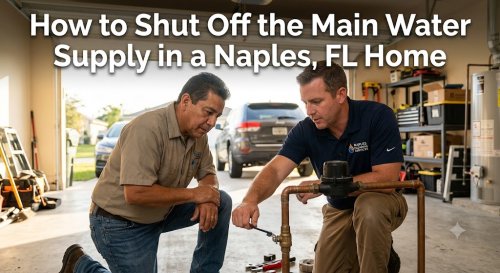
Locate Your Main Valve: Ensure every adult in your home knows where the main water shutoff valve is located and test it annually to make sure it turns smoothly.
-
Test Toilet Tanks with Food Coloring: Drop 5 drops of food coloring into your toilet tank. If color seeps into the bowl after 15 minutes without flushing, replace the flapper valve.
-
Clean Faucet Aerators: Unscrew and soak sink aerators in white vinegar twice a year to clear hard water mineral scale.
-
Inspect Appliance Hoses: Check washing machine and dishwasher supply lines annually. Replace rubber hoses with braided stainless steel lines every 5 years.
-
Flush Your Water Heater: Drain 3 to 5 gallons of water from your tank water heater drain valve twice a year to remove loose mineral sediment.
-
Install Mesh Drain Strainers: Keep hair and soap debris out of tub and shower drains using removable stainless steel strainers.
-
Never Flush Trash: Maintain a strict "toilet paper only" rule for all bathrooms on your property.
-
Check Water Pressure Regularly: Screw a cheap water pressure gauge onto an exterior hose bibb. Call a plumber if static pressure exceeds 75–80 PSI.
-
Clear Yard Cleanouts: Keep grass and garden mulch cleared away from your main sewer cleanout cap for easy technician access.
-
Run Unused Faucets: Run water down guest bathroom sinks and showers weekly to keep P-traps full and prevent sewer gases from entering your living space.
-
Monitor Seasonal Properties: If leaving your Naples property vacant during summer months, shut off the main water valve and set your water heater to "vacation mode."
-
Avoid Chemical Drain Cleaners: Use manual drain snakes or enzyme-based biological drain cleaners instead of harsh acids.
-
Protect Outdoor Hose Bibbs: Replace aging exterior valves with anti-siphon frost-free bibbs to prevent backflow into your drinking water.
-
Schedule Professional Inspections: Have a licensed plumber inspect your home's exposed supply lines, valves, and water heater every two years.
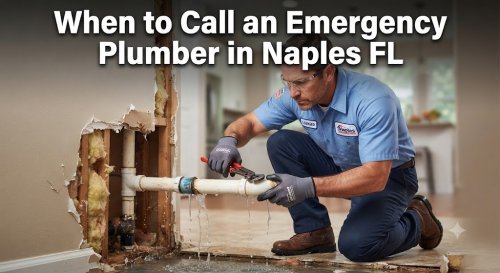
When Should You Call an Emergency Plumber?
Certain situations require immediate, around-the-clock professional intervention to protect your health and property:
-
Active Indoor Water Flooding: A burst pipe, broken angle stop valve, or severed supply line spewing water into living areas.
-
Raw Sewage Backup: Wastewater backing up into bathtubs, floor drains, or showers when toilets are flushed.
-
Total Loss of Water Supply: Zero water flow coming from any tap in your home or commercial building.
-
Gas Line Smells or Concerns: If your home uses natural gas or propane for water heating and you smell sulfur or rotten eggs, evacuate immediately and call emergency services and your plumber.
Taking swift action during an emergency stops water destruction, limits structural damage, and prevents toxic biohazards from taking root in your home.
Frequently Asked Questions
Why is my water pressure suddenly low?
A sudden drop in water pressure across all taps usually indicates a main line leak, a failing pressure reducing valve, or a closed main supply valve. If the drop affects only one fixture, the aerator is likely clogged with hard water scale.
How much does leak detection cost?
Diagnostic leak detection costs depend on whether the leak is visible, behind drywall, or deep under a concrete slab. Plumbers use electronic equipment to pinpoint hidden leaks accurately before cutting into walls or floors.
Can a clogged drain damage pipes?
Yes. Chronic clogs cause standing water to collect inside drain lines. Heavy standing water puts pressure on joints, while decomposing organic debris creates acidic conditions that erode metal pipes over time.
Is hydro jetting safe for old pipes?
Hydro jetting is safe for most pipes when preceded by a sewer camera inspection. If the camera reveals severely cracked, rusted, or collapsed lines, mechanical cabling or pipe replacement is recommended instead.
How do I know if my sewer line is broken?
Common signs include recurring multi-fixture backups, gurgling toilets, foul sewage odors in your yard or basement, and unexplained patches of lush green grass over your underground sewer path.
How long do water heaters last?
Traditional tank water heaters in Southwest Florida generally last 8 to 12 years due to local hard water conditions. Tankless units can last 15 to 20 years with proper annual maintenance.
Why does my faucet drip?
Dripping faucets are usually caused by worn rubber O-rings, degraded valve seats, or mineral buildup inside the faucet cartridge preventing a complete seal.
What causes pipes to burst?
Pipes burst primarily from extreme water pressure spikes, severe internal corrosion, physical damage during construction, or soil movement around buried supply lines.
Can plumbing leaks increase my water bill?
Yes. Even a small toilet leak or pinhole supply line drip can waste hundreds of gallons of water a day, resulting in surprisingly high monthly water bills.
When should I replace plumbing instead of repairing it?
You should consider replacing sections of plumbing when pipes show widespread exterior corrosion, suffer multiple leaks in short succession, or when legacy materials (like old cast iron) reach the end of their service life.
Why Choose Inca's Plumbing?
When you need reliable, professional plumbing service in Naples, FL, choosing the right local team makes all the difference. At Inca's Plumbing, we prioritize transparent service, technical excellence, and long-term relationships with our clients.
-
Licensed & Experienced Technicians: Our plumbers are fully licensed trade professionals trained to resolve complex residential and commercial plumbing challenges safely.
-
Upfront Pricing & Clear Estimates: We believe in honest recommendations. We explain diagnostic findings clearly and provide transparent estimates before starting work.
-
Fast Emergency Response: Plumbing disasters don't wait for business hours. We offer fast, dependable dispatch when urgent leaks or backups threaten your property.
-
Modern Diagnostic Equipment: We use state-of-the-art sewer cameras, acoustic leak detectors, and hydro jetting equipment to resolve issues quickly and accurately.
-
Local Naples Expertise: Based right on Dale Ave in Naples, we understand Collier County's unique plumbing challenges—from high mineral water scale to coastal plumbing codes.