Sewer Backup Causes and What to Do
Learn the common causes of sewer backups, warning signs, prevention tips, repair process, and when to call a professional plumber.
Sewer Backup: Causes and What to Do
A sewer backup is one of the most unpleasant and damaging plumbing problems a homeowner or business owner can experience. Unlike a simple clogged drain, a sewer backup involves wastewater flowing back into your property through drains, toilets, or plumbing fixtures.
When sewage enters your home, it creates health risks, unpleasant odors, property damage, and expensive cleanup challenges. Many homeowners search for sewer backup causes because they notice slow drains, gurgling toilets, or wastewater coming back into their sinks and showers.
Understanding why sewer backups happen and knowing what steps to take can help minimize damage and prevent future problems.
Incas Plumbing provides professional plumbing solutions to help homeowners identify sewer issues, restore proper drainage, and protect their properties from serious plumbing damage.
What Is a Sewer Backup?
A sewer backup occurs when wastewater cannot properly flow through the sewer line and begins moving back toward your home or business.
Normally, wastewater leaves your property through drainpipes and travels into the municipal sewer system or private septic system. When something blocks or damages the sewer line, water and waste have nowhere to go, causing it to reverse direction.
Common places where sewer backups appear include:
- Toilets
- Bathtubs
- Shower drains
- Floor drains
- Basement drains
- Kitchen sinks
- Laundry drains
For example, if a main sewer pipe becomes blocked by tree roots, grease buildup, or damaged pipes, wastewater from multiple plumbing fixtures may begin backing up into the home.
Why Does a Sewer Backup Happen?
Several plumbing problems can cause sewer backups. Some develop slowly over time, while others happen suddenly and require emergency attention.
1. Clogged Sewer Lines
A blocked sewer line is one of the most common causes of backups.
Over time, sewer pipes can collect:
- Grease
- Soap residue
- Hair
- Paper products
- Foreign objects
- Excess debris
Unlike small drain clogs, sewer blockages affect the entire plumbing system and require professional attention.
2. Tree Root Intrusion
Tree roots naturally seek water sources underground. If your sewer pipes have small cracks or loose joints, roots can enter the pipe and grow inside.
Root intrusion can:
- Restrict wastewater flow
- Create repeated backups
- Damage sewer pipes
- Cause complete blockages
Older sewer systems are especially vulnerable to root damage.
3. Damaged or Broken Sewer Pipes
Sewer pipes can deteriorate due to age, corrosion, ground movement, or poor installation.
Damaged pipes may:
- Collapse
- Crack
- Separate at joints
- Allow soil intrusion
A damaged sewer line often requires professional inspection and repair.
4. Heavy Rainfall and Flooding
During severe storms, municipal sewer systems may become overwhelmed.
Excess rainwater can enter sewer systems and increase pressure, causing wastewater to flow back into homes.
Properties with basement drains or older sewer connections may be more vulnerable.
5. Improper Items Flushed Down Toilets
Many sewer backups happen because homeowners flush items that do not break down properly.
Avoid flushing:
- Paper towels
- Baby wipes
- Cleaning wipes
- Feminine hygiene products
- Cotton products
- Trash
Even products labeled “flushable” may contribute to sewer problems.
6. Grease and Food Waste Buildup
Pouring grease, oil, and food scraps down kitchen drains can create serious blockages.
Grease may appear liquid when warm but hardens inside pipes, trapping other debris and reducing water flow.
7. Sewer Line Installation Problems
Poorly installed sewer pipes may have incorrect slopes, weak connections, or improper materials.
Installation problems can lead to recurring drainage issues.
Signs You Should Never Ignore
Recognizing early warning signs can help prevent a complete sewer backup.
Slow Draining Fixtures
If multiple drains throughout your home are draining slowly, the problem may be in the main sewer line rather than a single fixture.
Gurgling Toilets and Drains
Bubbling or gurgling sounds indicate trapped air caused by restricted wastewater flow.
Sewage Smells
A sewage odor inside your home is a warning sign that wastewater may not be flowing correctly.
Water Backing Up in Multiple Fixtures
If flushing the toilet causes water to rise in your bathtub or shower, you may have a sewer line blockage.
Frequent Drain Clogs
Repeated clogs may indicate a deeper sewer problem rather than normal drain buildup.
Standing Water Around Floor Drains
Water collecting near basement or utility drains may signal sewer overflow.
Unusually Green Areas in the Yard
A damaged sewer line can release wastewater underground, creating unusually healthy grass growth.
Common Plumbing Problems Related to Sewer Backups
Sewer backups are often connected with other plumbing problems, including:
Drain Clogs
Small drain problems can eventually contribute to larger sewer blockages.
Sewer Line Cracks
Damaged pipes allow leaks and blockages to develop.
Pipe Corrosion
Old pipes may weaken and fail over time.
Basement Water Damage
Sewer backups can damage flooring, walls, and stored belongings.
Mold Growth
Sewage moisture creates conditions where mold can develop quickly.
What to Do During a Sewer Backup
If sewage is backing up into your home, take immediate action.
Step 1: Stop Using Plumbing Fixtures
Avoid flushing toilets, running sinks, or using appliances connected to drains.
Additional water can worsen the backup.
Step 2: Protect Yourself
Avoid direct contact with sewage because it may contain harmful bacteria and contaminants.
Wear protective gloves if you must enter affected areas.
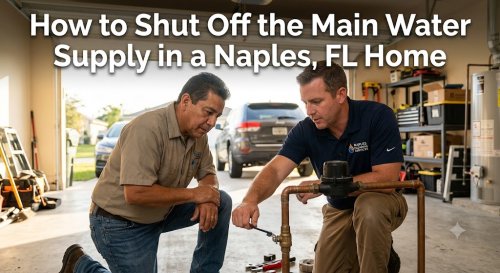
Step 3: Shut Off Water If Necessary
If flooding continues, turning off your home's water supply may help reduce damage.
Step 4: Remove Valuable Items
Move furniture, electronics, and personal belongings away from affected areas.
Step 5: Call a Professional Plumber
A licensed plumber can identify the cause and restore proper sewer flow safely.
Step-by-Step Professional Sewer Backup Repair Process
A professional plumber typically follows these steps:
Step 1: Plumbing Inspection
The plumber evaluates symptoms, drainage issues, and affected areas.
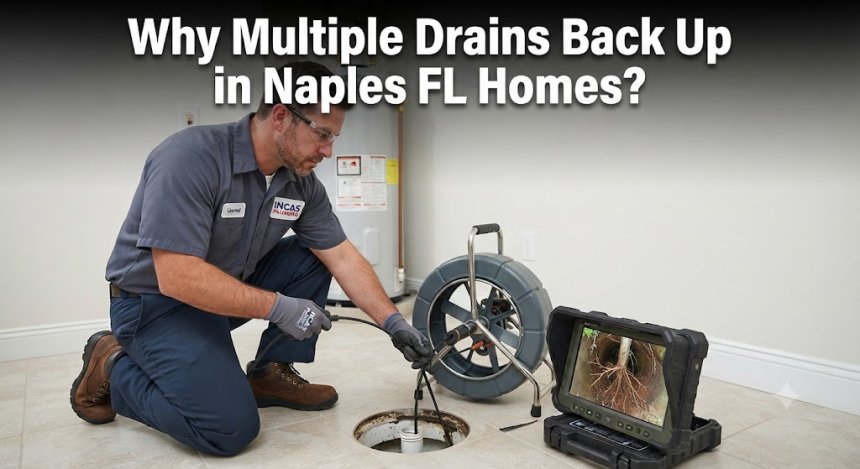
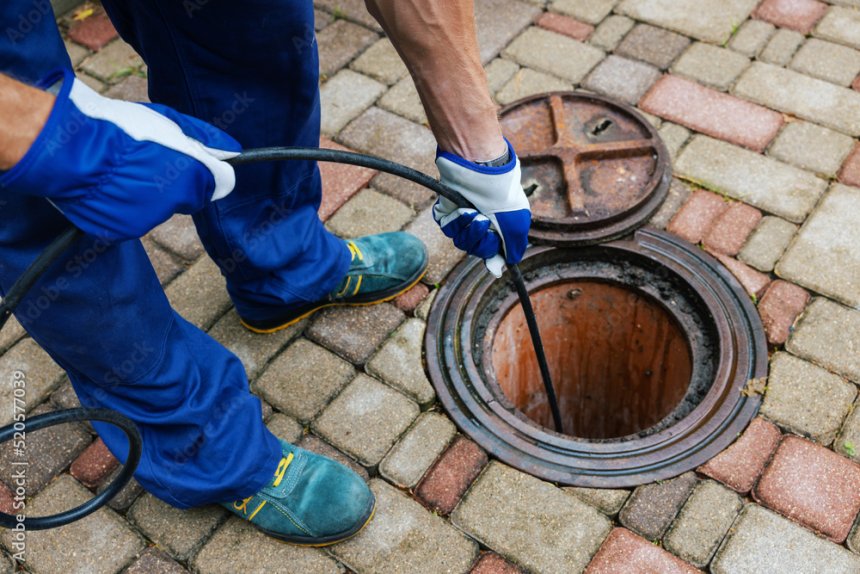
Step 2: Sewer Camera Inspection
A specialized camera is inserted into the sewer line to identify:
- Blockages
- Cracks
- Root intrusion
- Pipe damage
Step 3: Diagnosis
The plumber determines the exact cause and recommends repair options.
Step 4: Sewer Cleaning or Repair
Solutions may include:
- Drain cleaning
- Hydro jetting
- Root removal
- Pipe repair
- Sewer line replacement
Step 5: Testing
The sewer system is tested to confirm wastewater flows properly.
Step 6: Prevention Recommendations
The plumber may suggest maintenance steps to prevent future backups.
Can You Fix a Sewer Backup Yourself?
Homeowners can take temporary steps, such as:
- Removing visible debris from drains
- Avoiding water usage
- Using a plunger for minor fixture clogs
However, sewer backups are usually not simple drain problems.
DIY attempts may:
- Push blockages deeper
- Damage pipes
- Expose you to sewage
- Delay proper repairs
Professional sewer inspection is recommended when wastewater backs up into your home.
Tools Professionals Use for Sewer Problems
Sewer Camera Inspection Equipment
Allows plumbers to see inside pipes without unnecessary digging.
Hydro Jetting Equipment
Uses high-pressure water to remove stubborn buildup and debris.
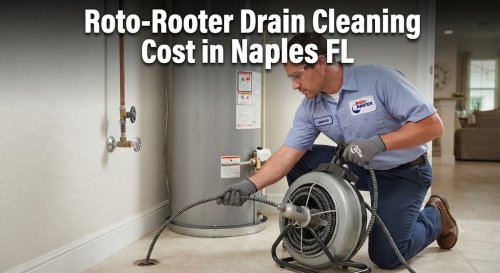
Drain Snakes and Augers
Help remove certain types of blockages.
Pipe Locating Equipment
Helps identify underground sewer pipe locations.
Trenchless Repair Equipment
Allows certain sewer repairs without extensive excavation.
How Long Does Sewer Backup Repair Take?
Repair time depends on the severity and location of the problem.
Minor Blockage
May be resolved quickly with professional drain cleaning.
Root Intrusion
May require additional cleaning or pipe repairs.
Damaged Sewer Pipe
Repair or replacement may take longer.
Emergency Backup
Immediate service may be required to prevent property damage.
Factors affecting repair time include:
- Pipe accessibility
- Damage severity
- Repair method
- Weather conditions
- Required permits
Cost Factors for Sewer Backup Repair
Sewer repair costs vary depending on several factors.
Important cost considerations include:
- Inspection fees
- Sewer camera diagnostics
- Cleaning requirements
- Pipe damage
- Labor
- Equipment needed
- Excavation requirements
- Replacement materials
- Emergency service
Plumbing repair costs vary depending on the severity of the problem, accessibility, materials required, emergency service, property type, and local labor rates.
A professional plumber can provide an accurate estimate after evaluating your sewer system.
Hidden Truths Homeowners Should Know About Sewer Backups
- Small drainage problems can become major sewer failures.
- Chemical drain cleaners may damage some plumbing systems.
- Sewer backups can create serious health concerns.
- Older pipes require more frequent inspections.
- Tree roots can repeatedly damage sewer lines.
- Ignoring slow drains often leads to bigger repairs.
- Preventive maintenance is usually less expensive than emergency repairs.
- A sewer camera inspection can identify hidden problems early.
- Insurance coverage varies depending on the cause of damage.
- Professional diagnosis prevents unnecessary repairs.
15 Common Mistakes Homeowners Make
1. Flushing Non-Flushable Items
Only human waste and toilet paper should go down toilets.
2. Pouring Grease Into Drains
Grease creates stubborn blockages.
3. Ignoring Slow Drains
Slow drainage can indicate sewer problems.